From Screen Time to Skill Time: How Video Games Are Creating the Next Generation of Virtuosos
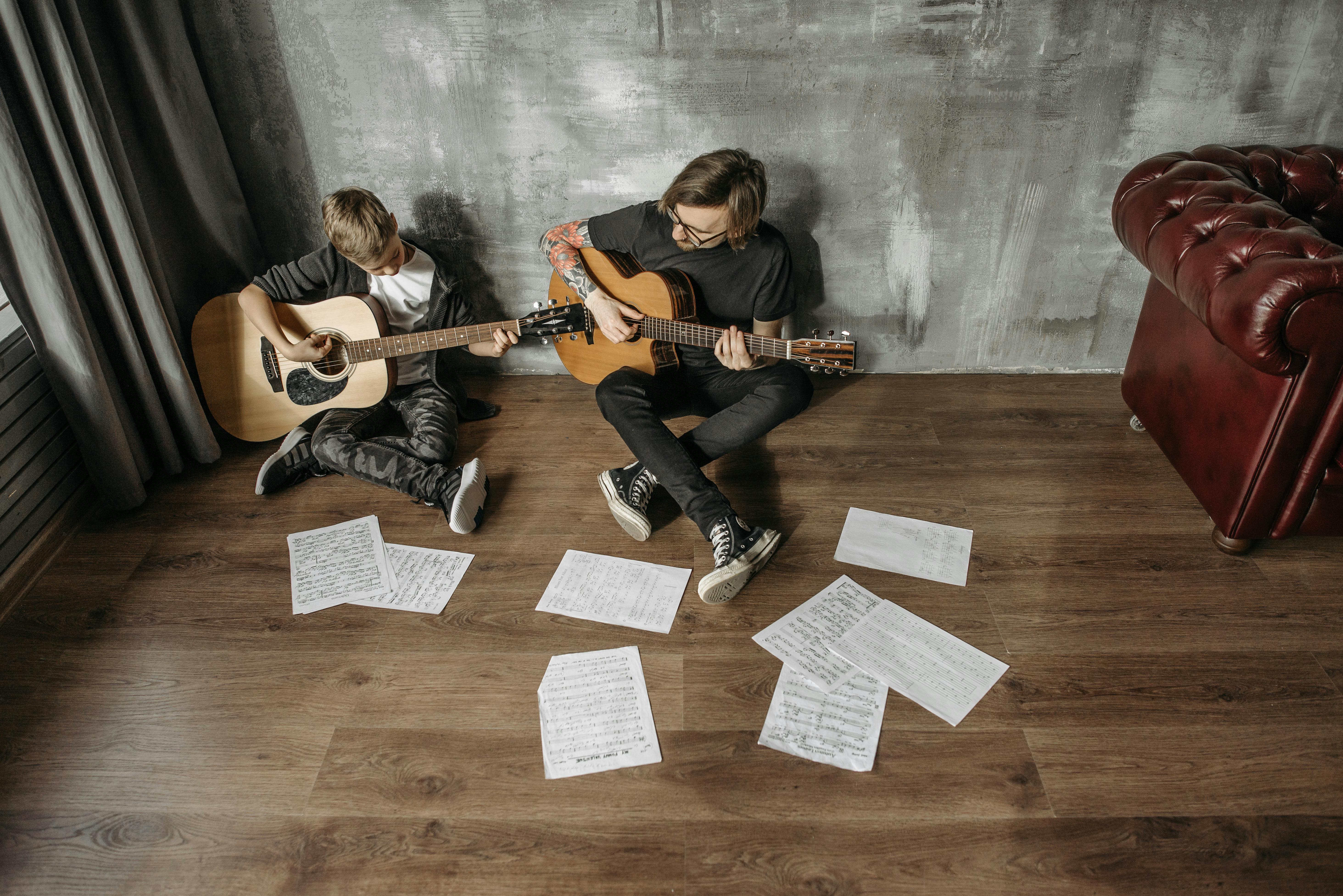
Every parent has watched it happen: a child who can't sit still for ten minutes of homework will lose two hours to a video game without blinking. What if that exact focus could teach them to play guitar?
Screen time has a reputation problem. Parents worry about it, teachers debate it, and headlines love to catastrophise it. But underneath that anxiety sits a simple truth that game designers have known for decades: games are extraordinary motivation engines. The rewards, the levels, the sense of constant forward progress - these aren't tricks. They mirror the way the human brain actually learns best, particularly in childhood.
Music education has historically worked against that grain. Traditional lessons ask children to delay gratification for months, drilling scales and reading notation long before they play a single song they recognise. For children wired by a world of instant feedback, that gap between effort and reward is where interest goes to die. Boring beginnings cost more students than bad teachers ever have.
But something is shifting. Gamified music learning is no longer a novelty - it is becoming the primary way a new generation picks up instruments. And the results are hard to argue with.
Why the Brain Responds to Games Differently
Dopamine, Feedback Loops, and the Learning Window
When a child earns a reward in a game - unlocking a new level, collecting a currency, defeating a boss - the brain releases dopamine, the chemical that signals "this was worth doing, do it again." This is not a quirk of gaming; it is the fundamental mechanism of habit formation. Behavioural psychologists call it a variable reward schedule, and it is among the most powerful reinforcement patterns ever studied.
Translate that into music learning apps for kids and something interesting happens: the child is no longer practising because they are told to. They are practising because the next reward is just one session away. Studies in educational psychology confirm that children learn more durably when motivation is intrinsic rather than externally imposed. Games engineer that intrinsic pull by design.
The childhood years between six and seventeen are also a neurologically sensitive window. Daily guitar practice for kids during this period does not just build a musical skill - it develops the kind of focused attention and pattern recognition that benefit learning across every subject. The key is making those daily sessions feel like something children choose, not something they endure.
The Streak Effect: Why Consistency Beats Intensity
Small Wins, Big Habits
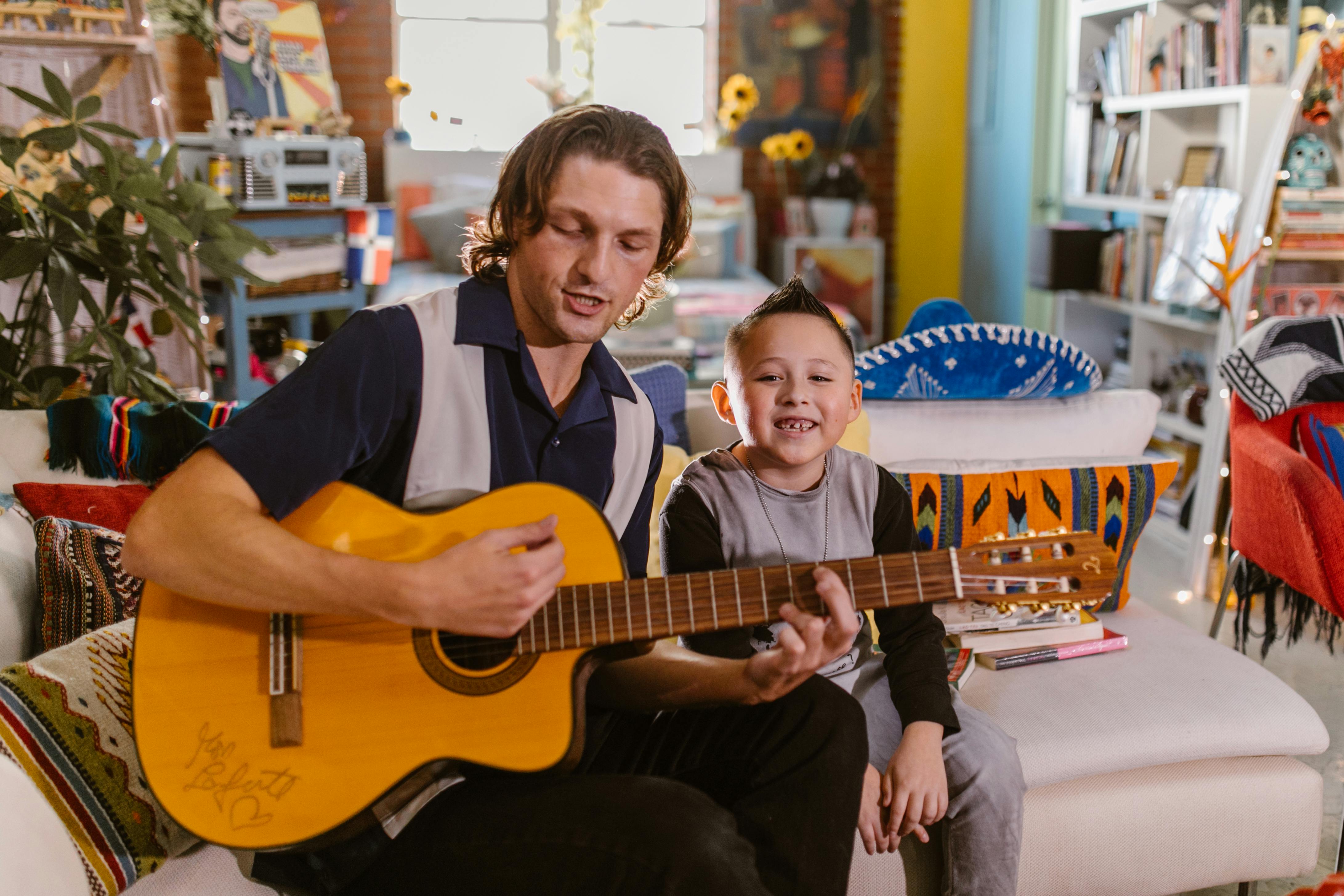
One of the most underrated ideas in gamification in music education is the practice streak - a simple visual record of consecutive days spent playing. It sounds almost too small to matter. It isn't.
A child who plays guitar for ten focused minutes every day will outpace one who practises for an hour on weekends, not just in skill retention but in confidence. The brain builds neural pathways through repetition, and frequent short sessions are more effective at cementing motor memory than infrequent long ones.
Guitar practice streaks add a social-emotional layer to that neuroscience: breaking a streak feels genuinely costly, which motivates children to protect it. That is the elegant design trick - the game creates its own momentum, independent of parental reminders or external pressure. The child becomes the guardian of their own progress.
Songs They Actually Know: The Relevance Revolution
Why Familiar Music Changes Everything
Ask a ten-year-old to learn a folk melody they have never heard and you will likely lose them within a week. Ask them to learn the opening riff of Seven Nation Army, a chorus from a Sabrina Carpenter track, or the theme from a Disney film they can sing by heart, and the dynamic shifts completely. The music is no longer abstract - it is connected to something they already love.
This matters for a reason that goes beyond simple preference. When children recognise the goal - when they can hear in their head what success is supposed to sound like - they are far more willing to push through difficulty. Cognitive scientists call this the "closing gap," the brain's drive to reconcile what it expects with what it currently produces. Familiar songs give that gap a target, which transforms frustration into fuel.
Practice rewards for children work best when the reward itself is meaningful to them. Being able to play a song that their classmates or siblings know? That is not just a musical milestone - it is a social one.
How Notey's World Turns Practice into Play
The Game That Teaches Real Guitar
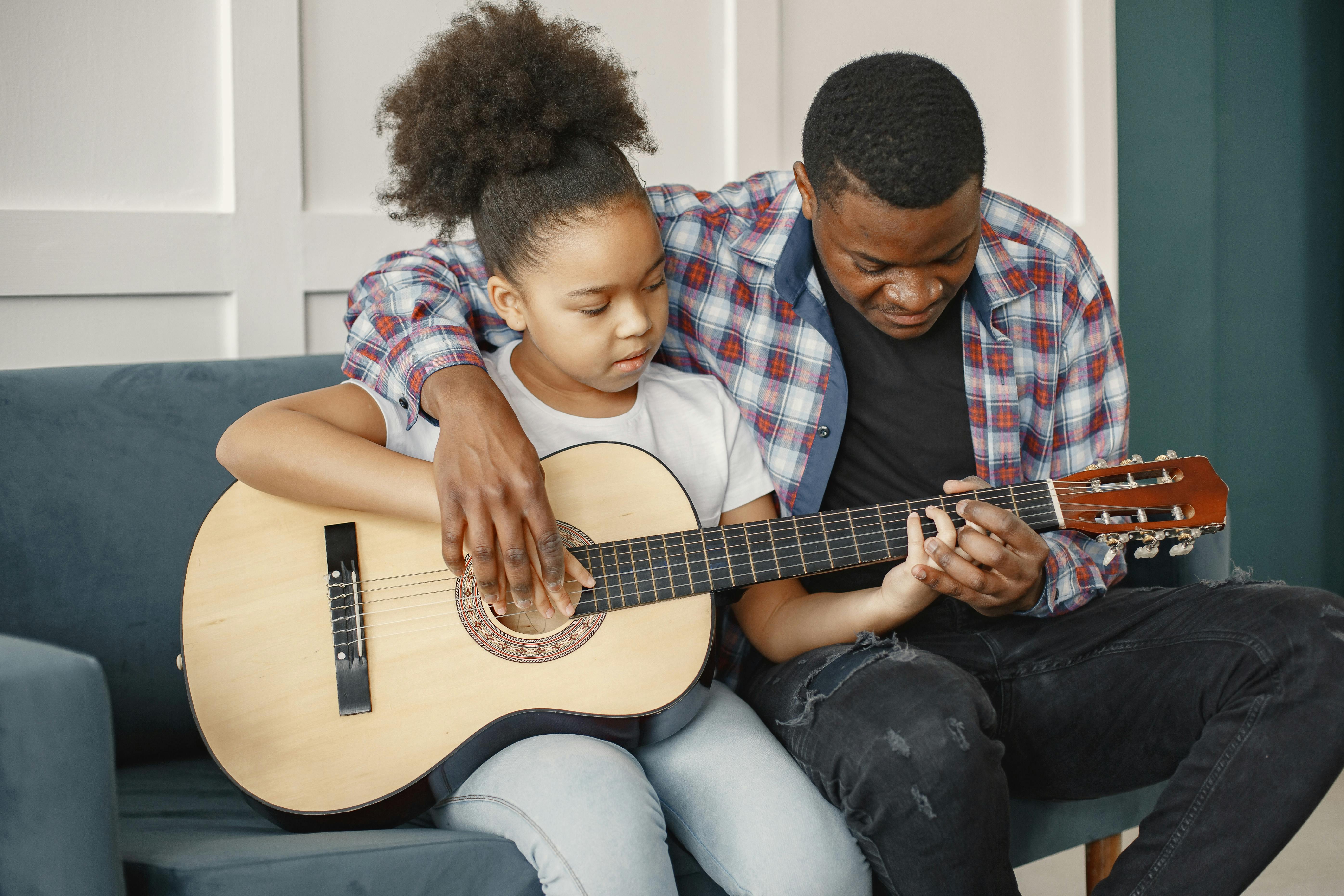
Notey was built entirely around the insight that kids will practise anything that feels like a game. Rather than asking children to sit through drills to eventually reach the fun part, Notey makes the fun part the whole thing - from the very first session.
The app is structured as a game world with genuine stakes. Children progress through levels, unlocking songs they already know and love - tracks from Frozen, The Lion King, Harry Potter, Star Wars, alongside chart hits from Ariana Grande and Sabrina Carpenter. Progress is not measured in abstract theory; it is measured in songs learned and bosses defeated. Yes, bosses - Notey includes actual boss-fight challenges that test what a child has learned and reward them for applying it under pressure. This is not a metaphor for practice. It is practice, dressed in the clothes of an adventure.
The reward system extends beyond just level unlocks. Notey uses its own virtual currency called Beatcoin, skins, badges, which children earn through consistent play and can spend on skins and customisations for their in-game character. These are the same mechanics that make children spend hours in their favourite games - only here, every session also builds a real-world skill. Guitar practice streaks are tracked visually, making that daily ten-minute habit something children actively want to protect.
For parents, the value is visible: clear progress tracking replaces the guesswork of traditional lessons, and the content library means that when their child finally plays a recognisable song at dinner, it won't be a mystery tune - it will be something the whole family knows. That is the Notey promise: ten minutes of daily guitar practice for kids that children actually look forward to, and parents can actually see working.
The Next Generation of Musicians Is Already Playing
The Question Is Just What They're Playing On
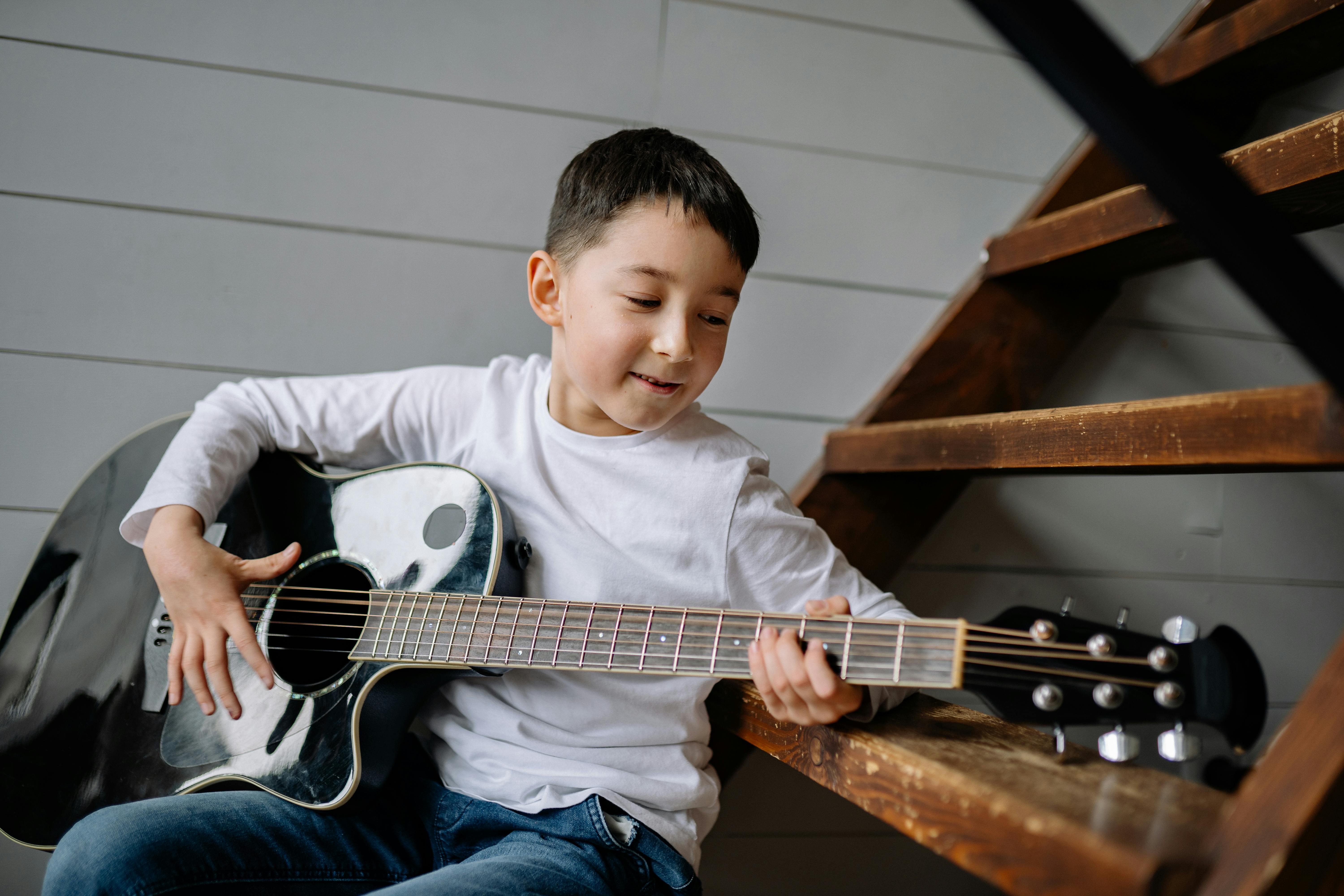
The children growing up today are not going to be dragged away from screens to learn instruments the old way. That battle is not worth fighting - and it isn't necessary. The better question is what those screens are teaching them. A game that builds a genuine skill, rewards consistent effort, and makes a child feel like a rockstar is not a compromise. It is the most honest evolution of music education in a generation.
Motivation in kids music lessons was never really about discipline. It was always about relevance, reward, and the feeling of moving forward. Video games solved that problem for entertainment decades ago. Gamified music learning is solving it for education now.
The next virtuoso might be your child. And they might be practising right now - because it feels like play.