Guitar Practice Routine for Beginners - 10 Minute Framework for Kids
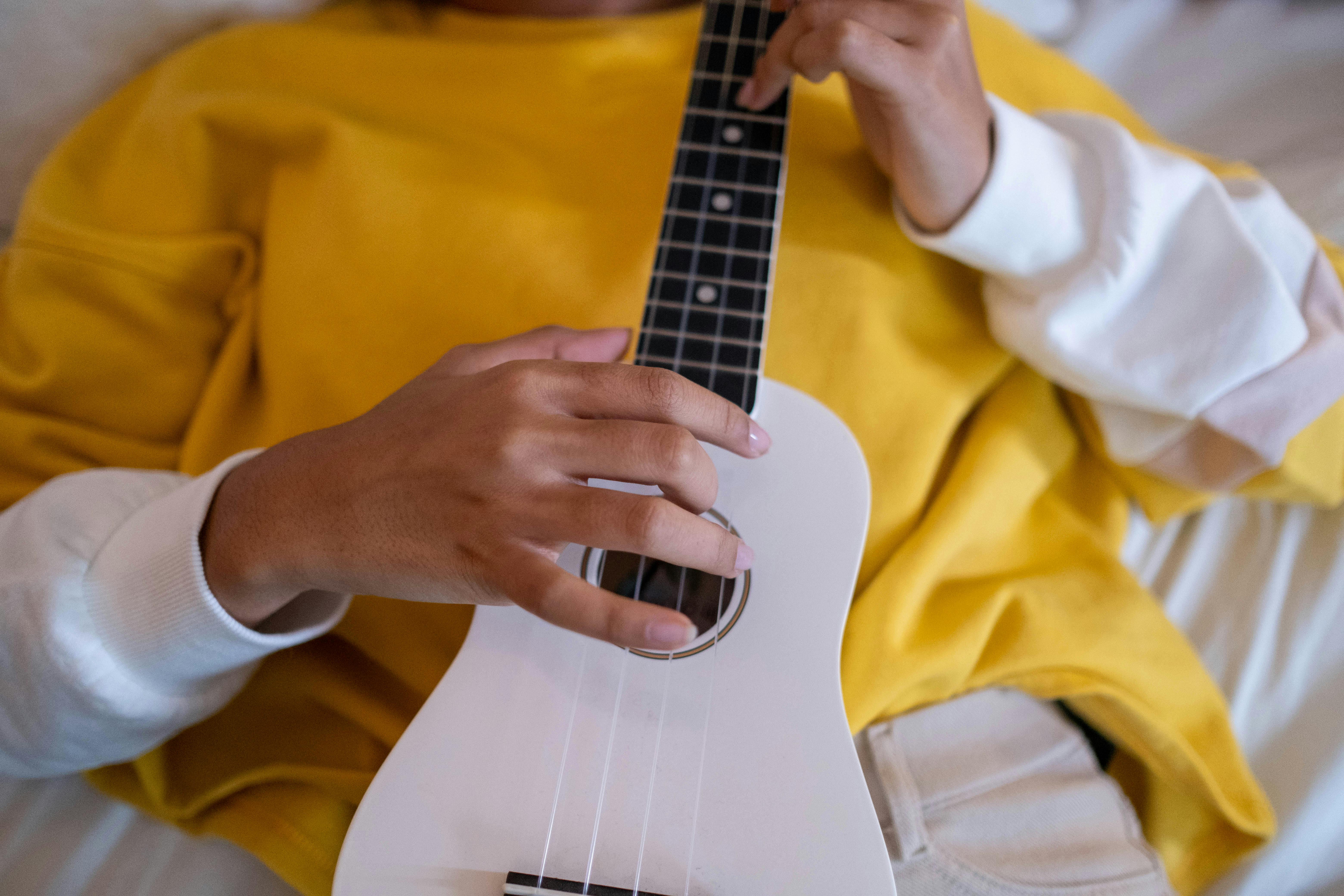
Ten minutes of focused practice beats an hour of random strumming every single time.
If you've watched your child pick up the guitar, play around for a bit, then wander off without really learning anything, you've seen the problem. They're practicing - sort of - but there's no structure. Beginners don't know what to practice, in what order, or for how long. This 10-minute framework solves that.
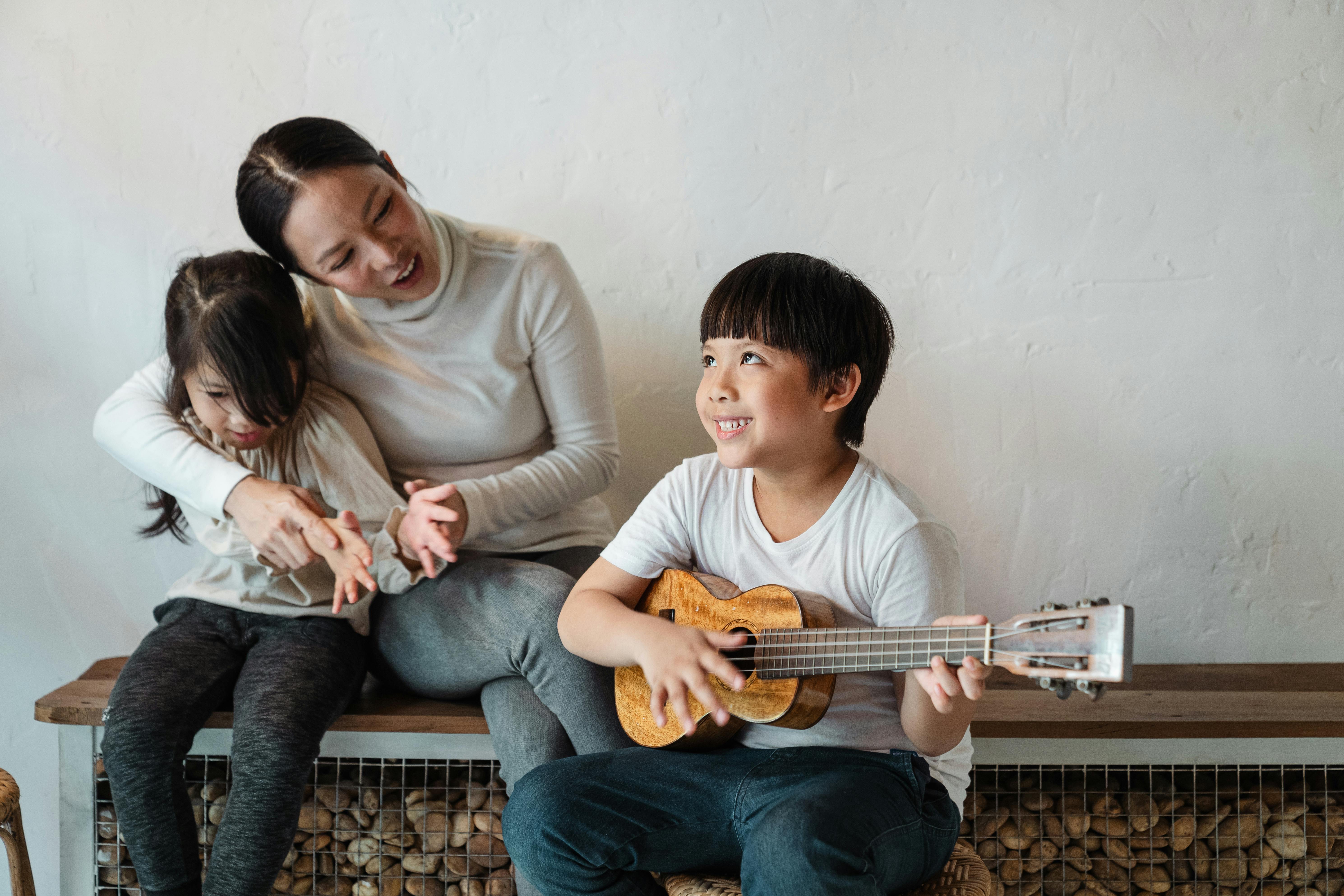
Why 10 Minutes Actually Works for Beginner Kids
Most beginner guitar practice advice is built for adults. Kids can't power through 30-minute sessions - and shouldn't have to. A 2019 study from the UK's Music Teachers organization found that children ages 6-10 showed the strongest skill retention with practice sessions between 10-15 minutes.
Short sessions work because beginner fingers fatigue fast. Ten minutes is long enough to build muscle memory but short enough to end before frustration sets in. When kids finish feeling successful instead of defeated, they want to come back tomorrow. Daily repetition is also how the brain locks in new motor skills - short daily sessions beat longer sporadic ones.
The 10-Minute Beginner Guitar Practice Routine
This framework is built around three core activities that address exactly what beginner players need: warm fingers, muscle memory for chord shapes, and the reward of playing something recognizable. Here's how to structure it.
Minutes 1-2: Finger Warm-Up
Start with simple finger exercises on a single string. Have your child play each fret on the low E string, one finger per fret (index on fret 1, middle on fret 2, ring on fret 3, pinky on fret 4). Go slowly. This prevents strain and reinforces that each finger has a specific job - a concept they'll use in every song.
Minutes 3-6: Chord Practice
Pick two chords - E minor and A minor for absolute beginners, or C and G if they've been playing a few weeks. Set a timer for four minutes and practice switching between them.
Have them place fingers on the first chord, strum once cleanly, then lift and place on the second chord. Strum once. Repeat. This deliberate placement-and-release builds the muscle memory that makes chord changes smooth. Four minutes is enough reps to see improvement within the session itself.
Minutes 7-10: Play a Simple Song
End every session by playing something that sounds like music. For absolute beginners, try a two-chord song like "Horse With No Name." For kids a few weeks in, try "Knockin' on Heaven's Door."
The song doesn't have to be perfect. The point is ending practice on a win - hearing recognizable music come out of their own hands. According to research published in Frontiers in Psychology, motivation in music learners is directly tied to experiencing competence.
What Makes This Routine Different from Random Practice
Random practice has value for creativity, but it doesn't build skills efficiently. This structure works because it follows a proven learning pattern: activate (warm-up), isolate (chord drills), integrate (song). This progression mirrors how the brain learns motor skills.
It also removes decision fatigue. Kids don't have to figure out what to practice - the routine tells them. That reduces the mental friction that kills practice habits before they start.

How Notey's World Builds This Routine Into a Game
If you're looking for a way to make this 10-minute framework even easier to stick with, Notey's World turns the entire structure into a video game your child actually wants to play. It's designed specifically for kids ages 6-13 learning on a real guitar.
Instead of telling your child to "practice chords for four minutes," Notey gives them a platformer level where they have to hit the right notes to jump across gaps. Sight-reading exercises become boss fights. Daily practice earns Beatcoin - virtual currency they can spend on character skins, new backgrounds, and unlockable songs like "We Don't Talk About Bruno" and "The Imperial March."
The app uses a machine-learning audio engine that listens to your child's real guitar and responds in real time, so they're not just watching a tutorial - they're playing through challenges that adapt to their skill level. Sessions are designed to run 10-15 minutes, perfectly matching the attention span and stamina of beginner players.
Notey has earned the 2023 Technology In Education Award and is actively used in NYC Public Schools, Chicago Public Schools, and Austin Public Schools. It's not a replacement for this practice routine - it's the version of this routine that kids will actually do every day without being asked. Try it free at notey.co.
How to Track Progress Without Killing Motivation
Don't track "minutes practiced" or "days in a row." Track specific wins: "played G chord cleanly for the first time" or "switched between C and Am without looking."
Keep a simple practice journal where your child writes one sentence after each session about what felt easier today. This shifts focus from obligation to growth. You can also record your child playing the same song once a week - after a month, the improvement will be undeniable.
When to Adjust the Routine as Skills Improve
After four to six weeks of daily practice, most kids are ready for a 15-minute routine that adds rhythm patterns or simple fingerpicking. The structure stays the same - warm up, isolate technique, play a song - but the complexity increases.
The sign your child is ready isn't perfect technique. It's consistency. If they're showing up for 10 minutes every day without resistance, they've built the habit. Don't rush it - let the routine become boring before you change it. Boredom means mastery.
Frequently Asked Questions
What if my child can't focus for the full 10 minutes?
Start with five minutes and build up. The routine matters more than the duration. Add one minute each week as they build stamina. Consistency beats duration every time.
Should my child practice at the same time every day?
Yes, if possible. Anchoring practice to a consistent time makes it far more likely to stick. Right after school, before dinner, or before bed work well. If the same time isn't realistic, anchor it to an event like "after homework" or "before video games."
What if my child says their fingers hurt?
Fingertip soreness is normal for two to three weeks as calluses form. Sharp pain or cramping means something's wrong - check hand position and reduce pressure. If pain persists, shorten sessions to five minutes or take a rest day.
Can my child skip the warm-up and go straight to songs?
Not recommended. The warm-up primes hand muscles and reduces injury risk. More importantly, it establishes a ritual that signals practice is beginning. Skipping it costs the psychological benefit of a consistent routine.
How long before my child can play a full song?
Most kids play a simple two-chord song within the first week with daily practice. Four-chord songs with smooth transitions take three to four weeks. Songs with melody lines or solos typically take two to three months depending on age and consistency