How Much Should You Spend on Your Kid's First Guitar Setup - a Complete Budget Breakdown
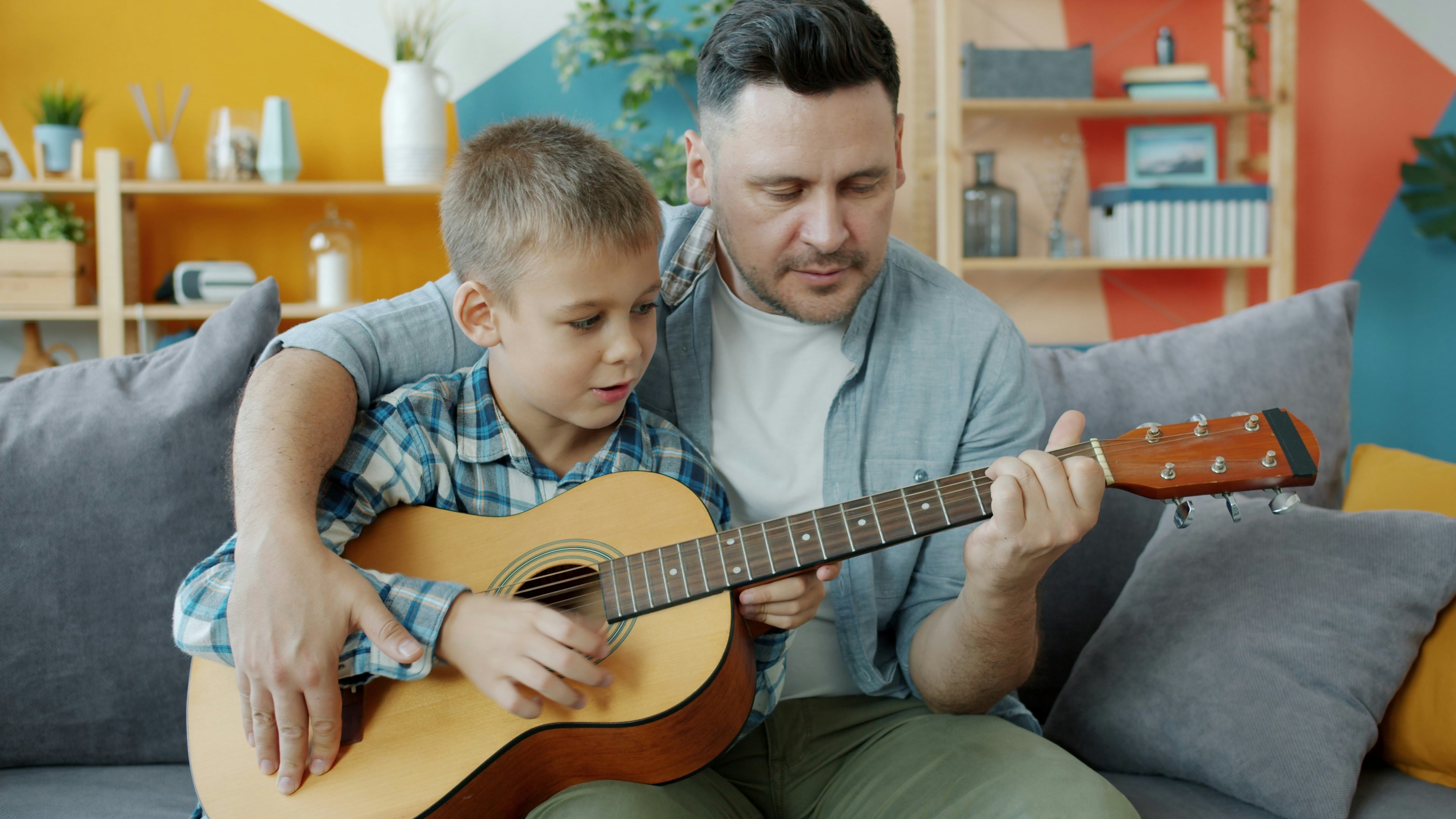
Most parents either overspend on gear or cut corners in the one place that matters most.
Music stores have an interest in selling you a complete premium package before your child has played a single note. The truth is that a functional first setup costs far less than most parents expect - but it does require spending the right amount in the right places. A few items have a quality floor that, if ignored, will make learning harder. Most do not. Knowing the difference is the whole game.
This breakdown covers every item a beginner needs, in order of importance - what it does, whether the quality level matters, and where to put your money.
What You Need From Day One
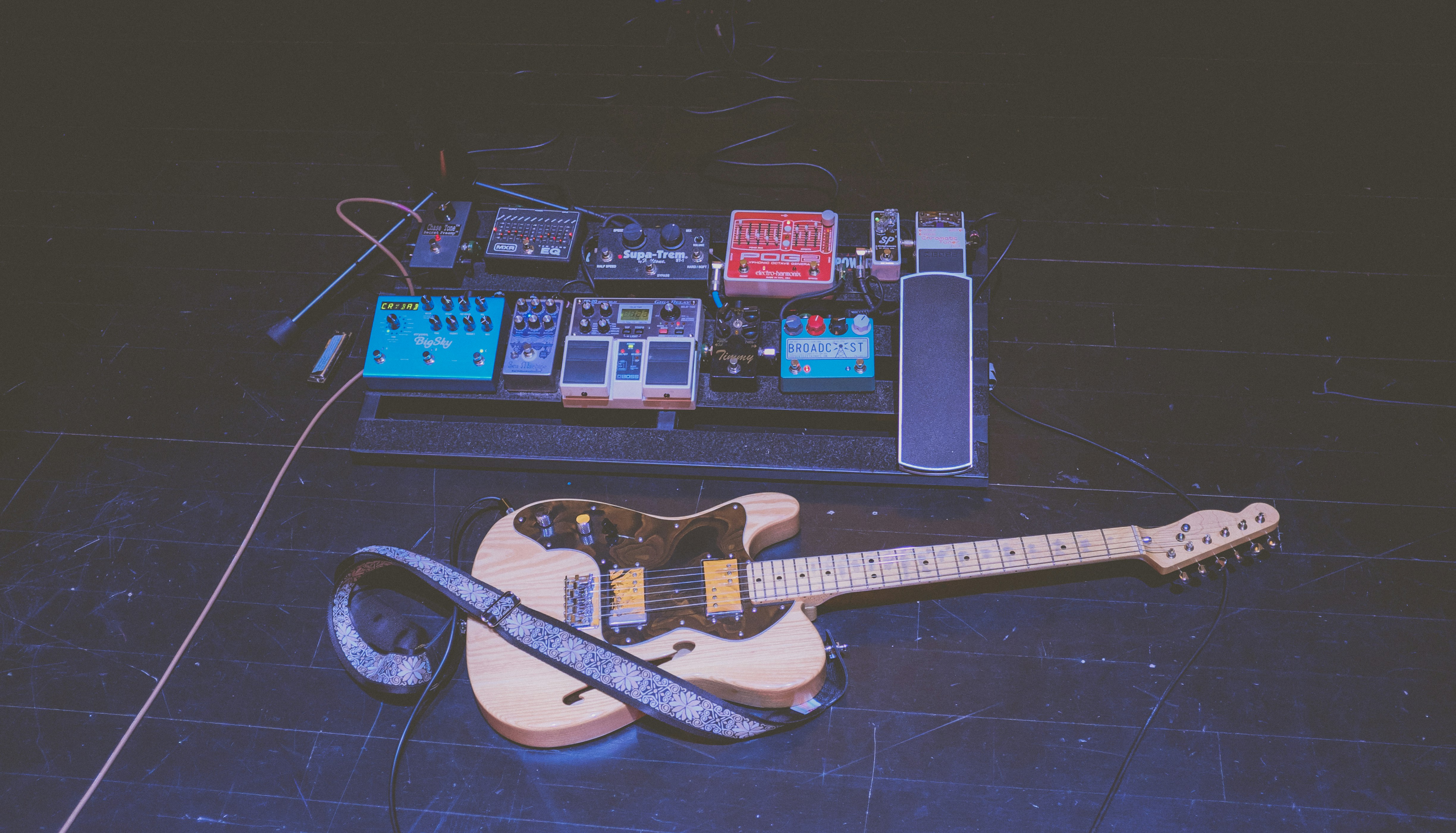
The Guitar - Spend Here, but Not Excessively
The guitar is the one item where going too cheap creates a real problem. Very low-cost instruments often have high action - meaning the strings sit too far from the fretboard - which makes pressing them down harder and more painful than it should be. That is not a toughness issue for your child to push through. It is a setup problem that slows progress and is one of the most common reasons children stop playing in the first month. A mid-range beginner guitar avoids this entirely and costs a fraction of what most music stores push as a starter instrument.
The more important decision than price is size. A guitar that does not fit a child's body makes chord shapes needlessly difficult and builds bad posture habits from the start. As a rough guide: children aged five to seven typically need a half-size guitar, seven to ten a three-quarter, and ten and up can usually manage full size - though arm length matters more than age. A mid-range guitar in the right size will do far more for progress than an expensive one in the wrong size.
Above a reasonable mid-range price point you are paying for aesthetics and brand name rather than anything that helps a beginner learn. Save the upgrade for when the practice habit is established.
A Clip-On Tuner - Save, but Never Skip
A clip-on chromatic tuner costs almost nothing and is non-negotiable. An out-of-tune guitar sounds wrong regardless of how correctly the child plays, and children who practice regularly on an out-of-tune instrument gradually develop a skewed sense of pitch without anyone realizing it. Any basic clip-on model does the job perfectly - this is not an item where spending more adds anything. Avoid relying on a phone app for young beginners. The physical clip-on is faster, always available, and makes tuning a two-second habit before every session.
Picks - Buy a Bulk Pack and Move On
Picks disappear constantly, so a bulk variety pack from the start makes far more sense than a few individual ones. Young beginners generally do better with thin or medium picks - they require less grip force and are more forgiving while technique is developing. This is a save-as-much-as-possible item. There is no meaningful quality difference between a budget pick and a premium one at beginner level.
A Strap - Basic Is Fine, but Do Not Skip It
A strap keeps the guitar in a consistent position whether the child is sitting or standing. Without one the guitar shifts around between sessions and within them, which creates small inconsistencies in hand placement that quietly solidify into habits. A basic adjustable strap is all that is needed. Spend the minimum.
A Guitar Stand - Simple and Practical
A stand keeps the guitar off the floor and out of corners, where it is liable to get knocked over or forgotten. Any basic A-frame stand does the job. This is not an item to spend more on.
What You Do Not Need at the Start
A Guitar Case or Bag
Unless the guitar is traveling regularly - to lessons, between homes, on holiday - a case is not needed at the beginning. Buy one when there is a genuine reason for it.
A Capo
A capo becomes useful once a child knows a handful of chords and wants to play along with songs in different keys. At the very beginning it just sits in a box. Revisit it around month three or four.
Extra Strings
A spare set is worth having eventually, but there is no need to stock up before the first string breaks. When one does break, that is the natural moment to buy a set - and to show the child how restringing works if they are ready for it.
An Amplifier - Electric Guitar Starters Only, and Keep It Small
If your child is starting on electric, a basic practice amp is needed to hear the instrument properly. The smallest, most affordable model available is entirely sufficient for home practice at beginner level. There is no case for spending more until the child is well past the beginner stage.
The Item Most Parents Leave Off the List Entirely
Most budget guides for beginner guitar stop at the hardware. This one does not, because the practice tool a child uses every day has a larger effect on whether they keep playing than the guitar itself. A modest guitar with good daily structure and real-time feedback will outpace an expensive guitar used without either, every time.
The specific problem at beginner level is practicing without feedback. Research on motor skill development in children is consistent on this point: repetition with accurate feedback builds correct movement patterns, and repetition without it builds whatever pattern happens to be forming - right or wrong. Without something telling a child whether what they just played was correct, incorrect motor patterns take hold quietly over weeks and become significantly harder to undo than if they had never formed at all. This is the gap a good learning app closes - and it is the gap that determines more than anything else whether a child is still playing six months from now.

What a Good Learning App Does for This Budget
Notey's World uses AI-powered audio recognition to listen to a child's real guitar in real time and gives instant feedback on every note and chord as it is played. The gamified music learning structure - boss fights, unlockable characters, song worlds built around tracks like Seven Nation Army, Disney soundtracks, Sabrina Carpenter, and Harry Potter - keeps daily guitar practice for kids consistent without requiring a parent to manage every session. Guitar practice streaks build naturally because the game gives children a reason to return that has nothing to do with obligation.
Positioned against the rest of the setup, the learning app sits at the lowest cost in the essentials column and delivers the highest day-to-day return - both in terms of whether skills develop correctly and whether the habit actually forms. Research on practice frequency in children consistently shows that regular short daily contact builds more durable motor and auditory skill than infrequent longer sessions. Motivation in kids' music lessons is what creates that daily contact, and the game structure is what makes motivation sustainable past the first few weeks.
The Bottom Line
A complete first setup needs five physical items: a guitar in the right size at a mid-range price, a basic clip-on tuner, a bulk variety pack of picks, an adjustable strap, and a simple stand. Everything else - the case, the capo, the spare strings - can wait until there is a genuine need. Spend carefully on the guitar because the quality floor matters there and nowhere else. Save on everything else because the quality ceiling does not. And do not leave the learning tool off the list, because it is the part of the setup that determines whether the first guitar becomes something your child plays for years or something that ends up in a corner. Ready to build the habit from day one? Explore Notey's World here.