My Child Wants to Quit Guitar. What Do I Do Before I Let Them?
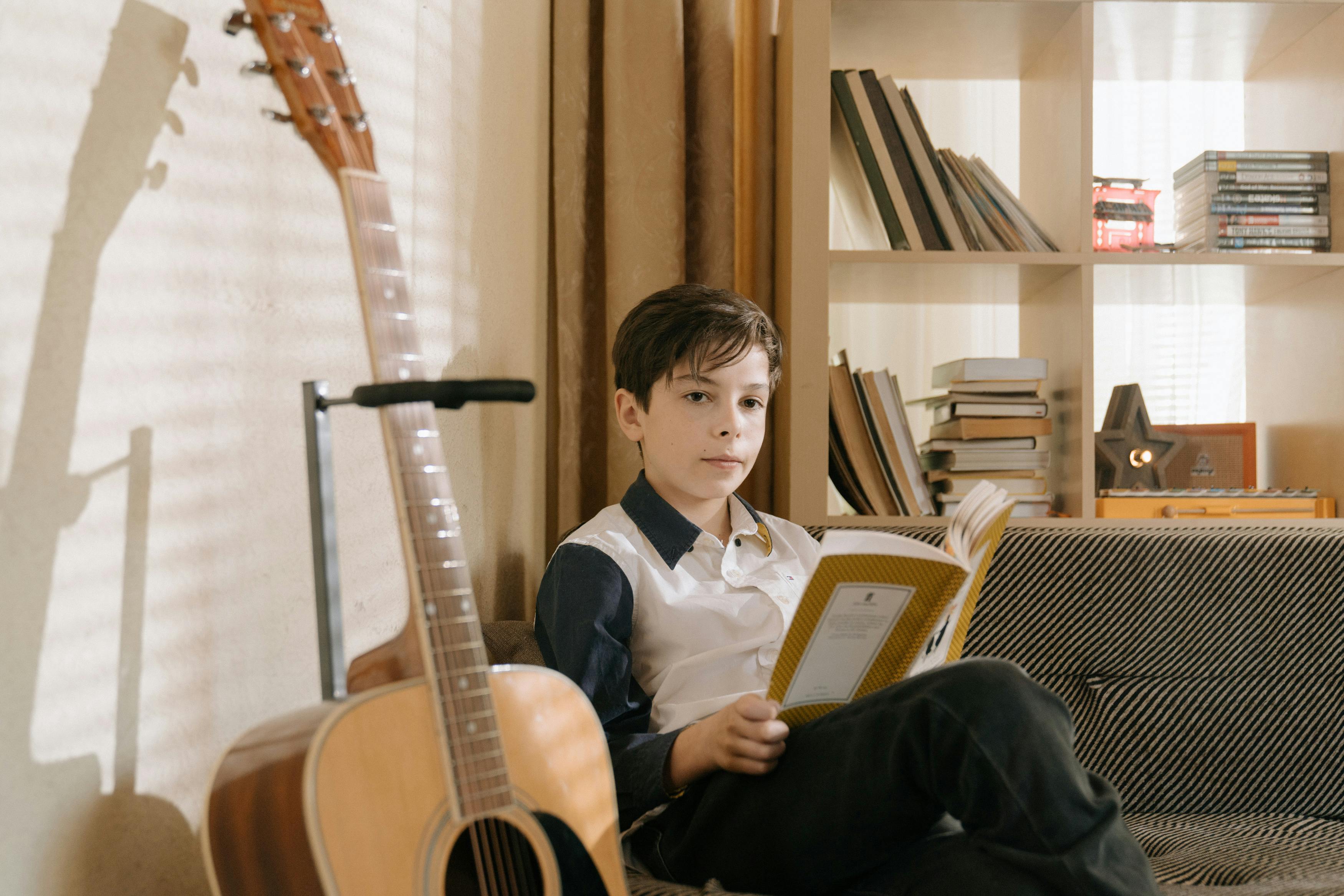
It catches you off guard every time. Not after a big argument or a difficult session - just a quiet evening, and your child looks up and says they want to stop. No drama. Just a simple statement that somehow lands heavier than it should.
You probably felt two things at once: the part of you that wants to respect their feelings, and the part of you that spent months encouraging them, buying the guitar, booking lessons, and genuinely believing this was going to be their thing. Both of those feelings make complete sense. And neither of them tells you what to actually do next.
Here is something worth holding onto before you make any decision: kids who want to quit guitar almost always want to quit a specific experience of guitar - not music itself. Understanding which one it is changes everything about how you respond.

Why This Moment Happens to So Many Families
It Is Almost Never About Talent
Wanting to quit is not a sign that your child lacks dedication, or that you did something wrong. It usually means the gap between what practice asks of them and what it gives back has grown too wide. Kids are remarkably patient with difficulty when they can feel themselves moving forward. When weeks pass without a single moment that feels like a real win, even the most enthusiastic children start to lose the thread.
Researchers who study why children stop playing instruments have found the same reasons coming up across different countries and age groups: boring lessons, frustration at a lack of visible progress, disliking practice, and competition from other activities. A large-scale UK study on children and music tuition found that the sharpest drop-off happens around age eleven, when children move to secondary school and other demands start competing for their time and energy. Almost none of this is about ability. Keeping kids motivated in music lessons is almost never about asking more of them - it is about giving more back to them.
That is genuinely good news. Because it means the conversation happening in your house right now is not necessarily the end of the story. It might just be the moment where something needs to shift.
What Your Child Might Really Be Telling You
Listening Past the Words
Children are not always able to name exactly what is bothering them. "I want to quit" is often the simplest language available for something more specific they cannot quite put into words yet. Before anything else, it is worth sitting with them and gently asking what has been feeling hard lately.
Sometimes the answer is that practice has become a daily battle, and the guitar has absorbed all the tension from that. Some children feel they are letting their parents down by not practising enough - and that guilt quietly makes the whole thing feel heavier than it already is. In that case, the instrument itself is not the problem. The pressure around it is. Easing off, shortening sessions, removing the dinner-table negotiations, often resets the relationship with the guitar faster than any amount of encouragement about long-term benefits.
Sometimes the answer is that they have not felt proud of anything they played in a while. Research into what keeps children playing their instrument shows how deeply motivation is tied to the social and emotional rewards of learning - the feeling of getting better, of being heard, of having something real to show for the effort. When those rewards quietly disappear, so does the will to keep going. That drift from exciting to obligatory is where motivation in kids music lessons slips away, and it is far more about the structure of learning than about your child's commitment to it.
When a child says they want to quit, the most useful question is not "are you sure?" It is "what would make you want to keep going?"
And sometimes - rarely, but it does happen - the honest answer is that this instrument just does not feel right for them right now. When children choose an instrument based on what they genuinely love the sound of, rather than what was available or suggested, they tend to stick with it considerably longer. That is not a criticism of any decision you made - it is just a useful signal that a conversation about what your child actually wants to play might be more valuable than another conversation about whether they should keep going.
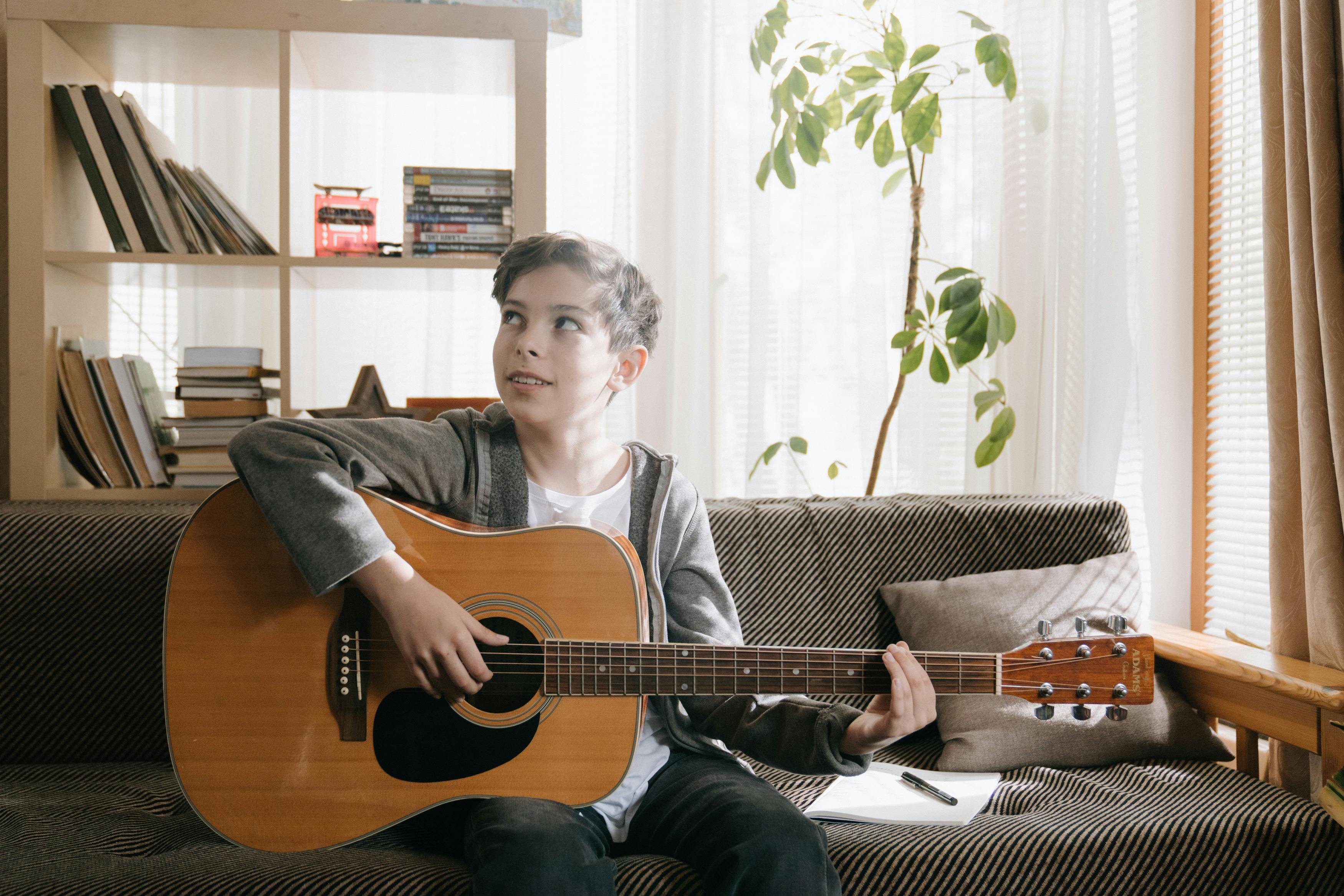
Things Worth Trying Before You Make Any Decision
Small Changes That Often Make a Real Difference
A short, deliberate break can work wonders - not a quiet fading away, but a proper two-week pause where nothing is expected and nobody brings it up. It feels counterintuitive, but children who are given real space to step back often come back with completely different energy. Daily guitar practice for kids that restarts from genuine curiosity is always more productive than practice that continues from obligation.
It also helps enormously to celebrate small wins out loud - and more often than feels strictly necessary. Learning an instrument is genuinely hard, and children frequently feel they have not accomplished much even when they have come a long way. Naming that progress, pointing to it, making it feel real and worth something, changes how a child experiences the effort they are putting in. Progress that is seen and celebrated lands very differently from progress that is quietly expected.
For older children especially, handing back some control is often the thing that changes everything. Research on adolescents and music motivation is clear that teenagers in particular need to feel genuine agency over their learning - exploring a breadth of music they actually care about, rather than working through a difficulty ladder someone else set. Asking your child what they would genuinely want to learn if they could choose anything is not giving up on structure. It is giving them a real reason to care about it. Keeping kids engaged with guitar practice almost always involves some version of letting them feel ownership over where they are headed.
Finally, find a way to make progress feel visible and tangible again. One of the quieter reasons kids lose the drive to practise is that they genuinely cannot feel themselves getting better day to day. Guitar practice streaks, songs properly learned, challenges cleared - anything that makes forward movement concrete changes how a child feels about sitting down to play. Progress you can point to is so much more motivating than progress you are simply asked to trust.
When Letting Them Stop Is the Right Answer
No Judgment Either Way
Sometimes stopping is genuinely the right call, and there is no shame in that at all. If your child has been consistently unhappy for months rather than weeks, if every change you have tried has been met with the same flat resistance, and if music has quietly disappeared from their life in every form - then continuing to push does more harm than good. What ought to be a rewarding activity should never become a lasting source of tension at home. Protecting your child's relationship with music matters far more than protecting the practice schedule.
The thing worth holding onto is the difference between a child who is frustrated with a specific way of learning guitar, and a child who has genuinely lost interest in music. The first is very common and almost always has a way through. The second is much rarer than it feels in that difficult moment - and even when it is true, it almost never lasts forever. Plenty of children who stopped at ten come back to music on their own terms at thirteen or fifteen with completely different results. And if it does come to that, framing the ending as moving on rather than giving up - and celebrating what your child genuinely achieved - leaves the door open in a way that "quitting" never does.

How Notey's World Gives Kids a Reason to Stay
When the Game Changes the Whole Conversation
The most common reason kids want to quit is also the most fixable one: practice has stopped feeling worth it. Notey was built entirely around that problem. Not by making guitar easier, but by making every single session genuinely rewarding in a way that children actually feel in the moment.
Notey is a game - a real one, with levels to unlock, characters, and boss-fight challenges that put what your child has learned to the test. They earn "Beatcoins", Notey's own virtual currency, and spend it on skins and customisations for their in-game character. These are the same mechanics that make kids happily spend hours on the games they love - and here, every session also builds a real skill on a real instrument. The drive to come back tomorrow is built into the game itself, not something your child has to summon on their own.
This speaks directly to what research identifies as the heart of keeping kids motivated in music lessons: visible progress, small victories worth celebrating, and genuine agency over the journey. In Notey, every level cleared is a win your child can point to. Every boss defeated is proof that they have actually learned something. And because children can see exactly where they are headed next, the motivation to get there belongs to them - not to a parent reminding them from the hallway.
You Do Not Have to Decide Tonight
A Little More Time, a Little More Conversation
The fact that you are here, thinking this through rather than just saying yes, says something. It says you believe there might still be something worth finding here - for your child, not just for you. That instinct is usually worth following a little further.
Most kids who say they want to quit guitar just need something to change. The routine, the feeling of moving forward, the sense that the effort is going somewhere real. Give them a voice in what that change looks like, and you might be surprised how quickly the conversation shifts from "I want to stop" to "can I show you what I learned today?" That moment is closer than it feels right now.