The Best Way to Learn Guitar in 2026 - A Parent's Complete Guide
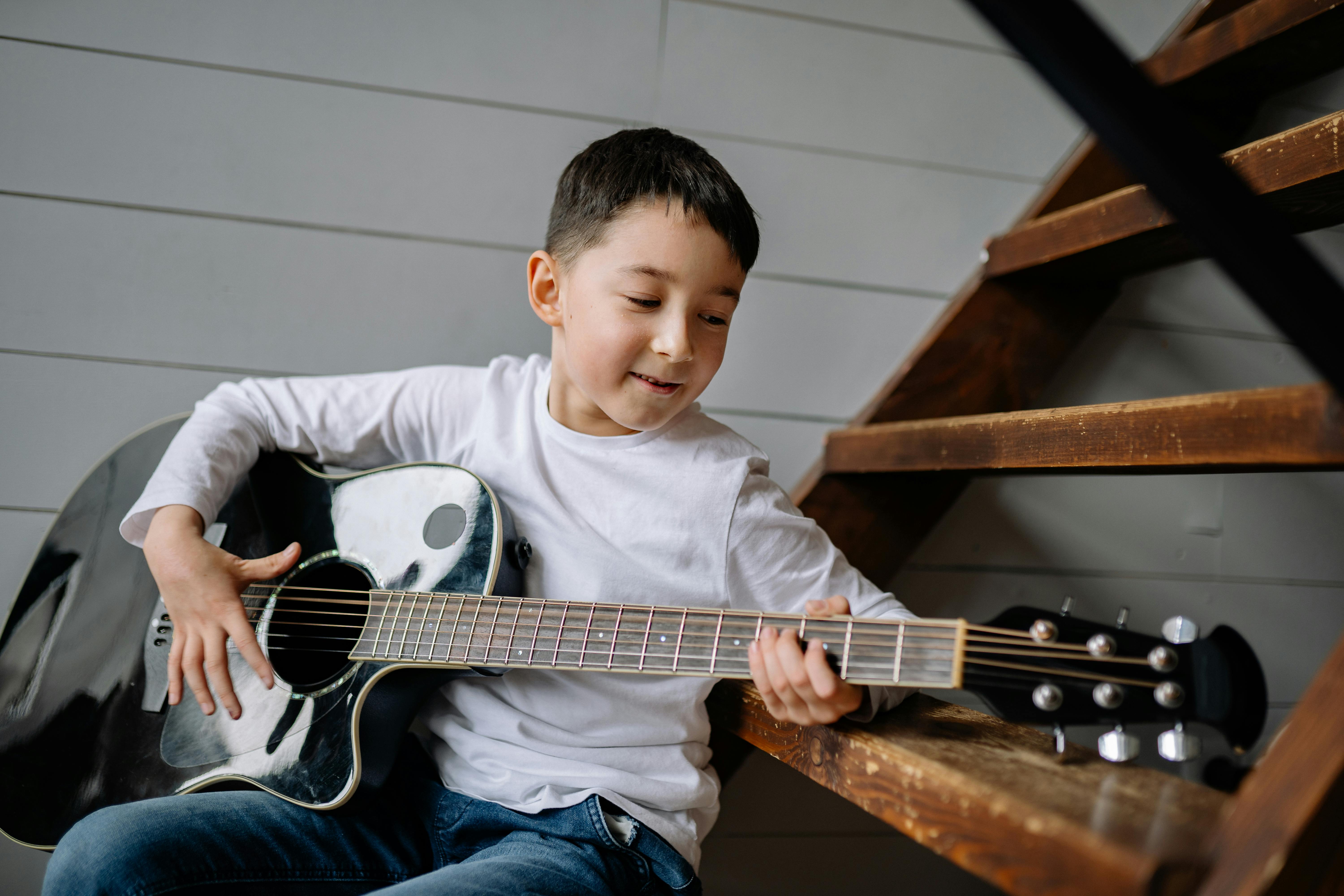
Your kid wants to learn guitar. You want to make it happen. And somehow, despite having more options than any parent has ever had, you still have no idea where to begin.
Weekly lessons with a teacher, YouTube tutorials, music learning apps for kids, online courses, structured curriculums, bite-sized daily sessions - the choices did not exist like this five years ago, and most of the advice floating around online was written for a world that no longer applies.
The problem with having more options than ever is that more options also means more ways to make the wrong call. A parent who genuinely wants to do right by their kid can spend weeks researching teachers, comparing apps, watching YouTube tutorials, and reading forum threads - and still feel no closer to just starting. Too much choice without a clear framework does not help families, it stalls them. And every week spent deciding is a week the guitar sits in the corner untouched.
So here is the clear framework - just what actually works for kids learning guitar in 2026.
The Old Way Is Not Working Anymore
For decades, learning guitar meant one thing: find a teacher, show up once a week, practice scales at home, repeat. For most kids, it produced six months of reluctant practice followed by a guitar gathering dust under the bed.
The problem was never the instrument. It was the gap between lessons. Think of it like learning to ride a bike, but your coach only shows up on Saturdays. The other six days you are wobbling on your own with no idea if what you are doing is right or quietly building a habit you will have to unlearn later. That gap is where most kids quietly give up, and most parents have no idea it is happening until the guitar has already been forgotten.
In 2026, that gap can be closed. Daily guitar practice for kids no longer means practicing in the dark. The tools available now listen to your child play in real time and tell them instantly whether that note was right - no musical knowledge required from you, no waiting until next week to find out something went wrong six days ago.
What Age Is Actually Right to Start
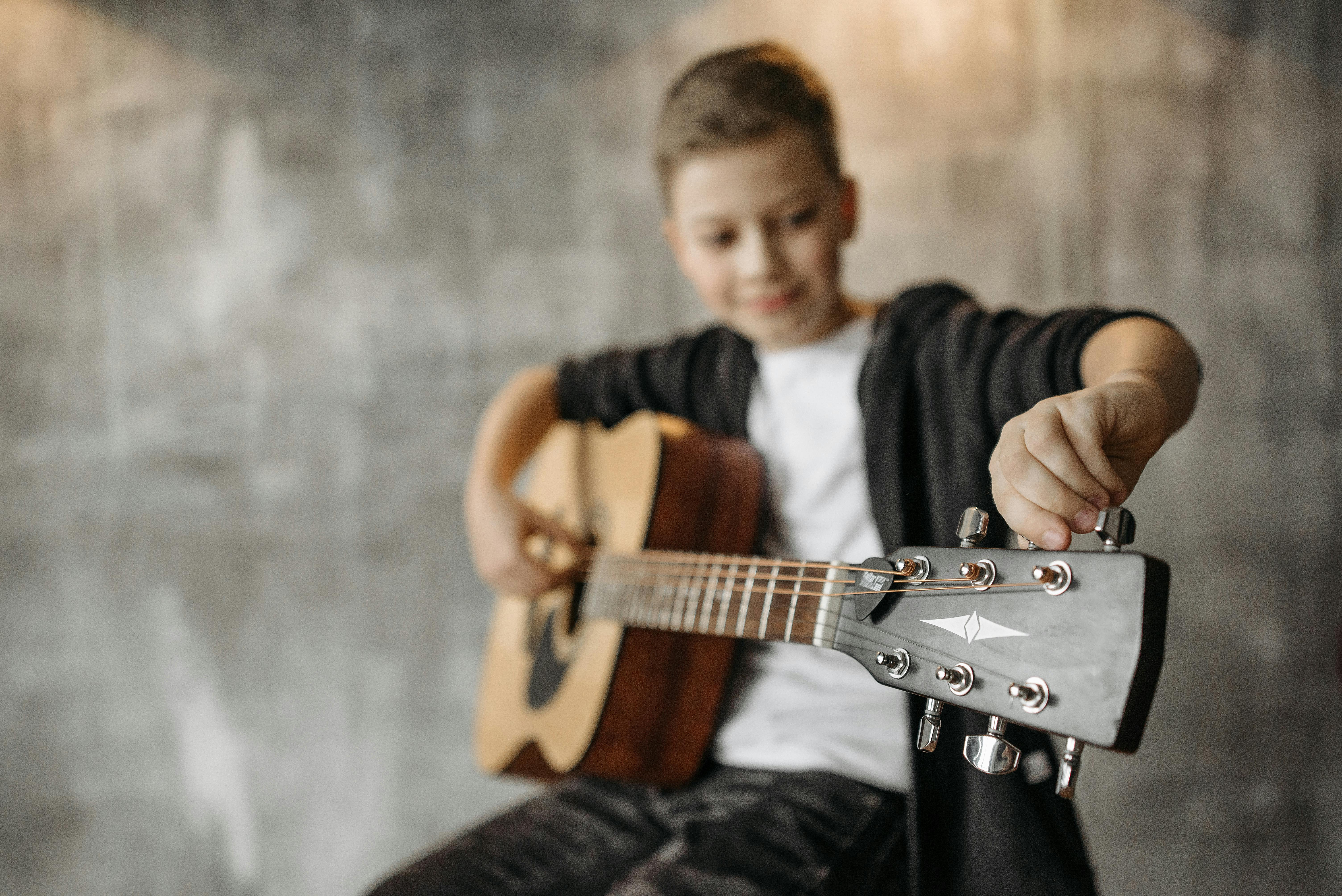
Parents ask this constantly, and the honest answer is that age matters less than readiness. Most children have the fine motor control and attention span for beginner guitar somewhere between six and eight. Starting before six is rarely productive - small hands genuinely struggle with chord shapes, and early frustration tends to stick around long after the physical obstacles have passed.
The better question is whether they can sit with something difficult for ten minutes without shutting down. The first month involves sore fingertips, buzzing strings, and sounds that do not yet resemble music. A child who stays curious through that will make it to the other side. One who decides in week one that they are simply not a guitar person will not, regardless of how much natural aptitude they have.
How Long Should They Practice Each Day
Most parents get this wrong before they even start: they think more time equals more progress. It does not. Ten minutes every day beats an hour on Sunday by a margin that surprises most families when they see it happen.
hink of it like rolling a snowball down a hill. Every day you practice, it picks up a little more snow. You can't see much difference from one day to the next - but you can't stop it either. By the time it reaches the bottom, it's enormous. That's what small, daily practice does.. The brain works the same way with new motor skills - it needs small, regular contact to build the pathways that make playing feel natural. Consistency is the ingredient. Everything else is secondary.
For busy families, this is good news. You are not carving out a big chunk of time. You are making ten minutes a fixture - as automatic as brushing teeth. Once that habit is in place, the sessions stretch naturally as the child gets pulled forward by their own progress.
The 2026 Beginner Setup - Keep It Simple
A decent beginner guitar with strings that are not painful to press. Ten minutes of daily practice with feedback on every note. A real song they recognize within the first two weeks. And a way to see their own progress so they know they are moving forward. That last part - visible progress - is the piece most traditional approaches miss, and it is the piece that makes the difference between a child who sticks with it and one who quietly stops.
Teacher, App, or Both - the Honest Answer
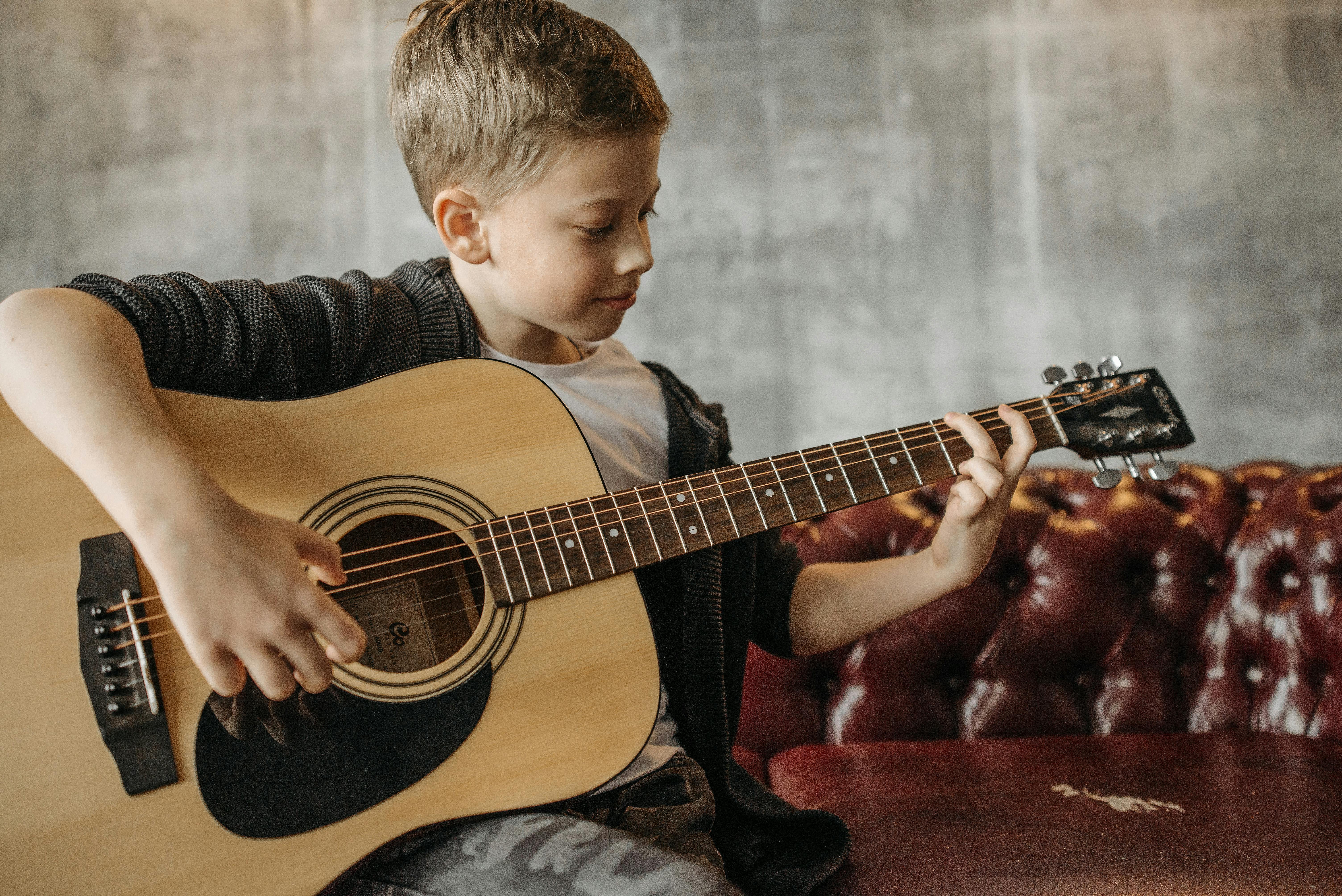
A good teacher is genuinely valuable. Posture, hand position, the small technique details that are nearly impossible to catch on a screen - a trained eye picks these up in seconds. But a teacher seen once a week cannot solve the daily motivation problem. And motivation in kids music lessons is where most beginner journeys end before they really get going.
What works best for most families is a combination. An app handles daily engagement and instant feedback - it becomes the practice structure your child actually uses. The teacher becomes the occasional expert check-in. Think of it like a personal trainer you see once a week for a form review, while the daily workout runs on a program you actually enjoy. One makes the habit. The other keeps it honest.
If budget means choosing one, choose daily practice over weekly lessons. A child who plays every day with good feedback will outpace one with an excellent teacher who practices inconsistently. Frequency is what matters most at beginner level.
The First Song Changes Everything
The fastest way to lose a child in the first month is to make them earn the fun part. Scales first, songs later sends a clear message: the payoff is a long way off. Most kids decide whether they are a guitar person in the first two weeks, which means the first real song is not a reward for getting through the boring bit - it is the thing that makes them believe the boring bit is worth it at all.
A beginner child can play a simplified version of something they already love within the first two weeks - a film theme, a pop song, a riff they recognized the moment it came on. That moment of recognition is when most children cross from "trying guitar" to "I play guitar." Research on musical motivation in children consistently shows that emotional investment in what they are playing is the factor that determines whether a child continues. A song they care about is not a shortcut - it is the engine.
How Notey's World Fits the 2026 Picture
Everything that actually works about learning guitar in 2026 is what Notey's World is built around. It is a gamified music learning experience where the guitar is real, the skills are real, but the structure feels like a game rather than a lesson your child has to be convinced to show up for.
Kids progress through boss fights, character unlocks, and levels built around songs they already know - starting from pop hits like of Sabrina Carpenter, Ariana Grande and finishing with well-known Disney songs. The AI audio recognition listens to the real guitar in real time and responds to every note, closing the feedback gap that ends most beginner journeys early. Guitar practice streaks build the daily habit, and the practice rewards for children built into every level give each session a finish line, so even on low-motivation days there is always a reason to play ten more minutes.
Gamification in music education is not decoration. Research on long-term outcomes in early musical training shows that sustained engagement in the first few months predicts how far a child goes musically. Notey's World is built to hold that engagement through the hardest stretch of the beginner journey, until the child's own progress becomes the thing that pulls them forward.
The Bottom Line
Learning guitar in 2026 does not have to be complicated. Daily short practice, a real song in the first two weeks, instant feedback, a habit that feels chosen rather than assigned - get those four things right and everything else follows. Practice consistently shows that enjoyment in the early stages is the foundation, not a bonus. Ready to give your child a daily practice structure that actually sticks? Explore Notey's World here.