The Most Common Guitar Learning Mistakes in 2026 - and How to Avoid Them
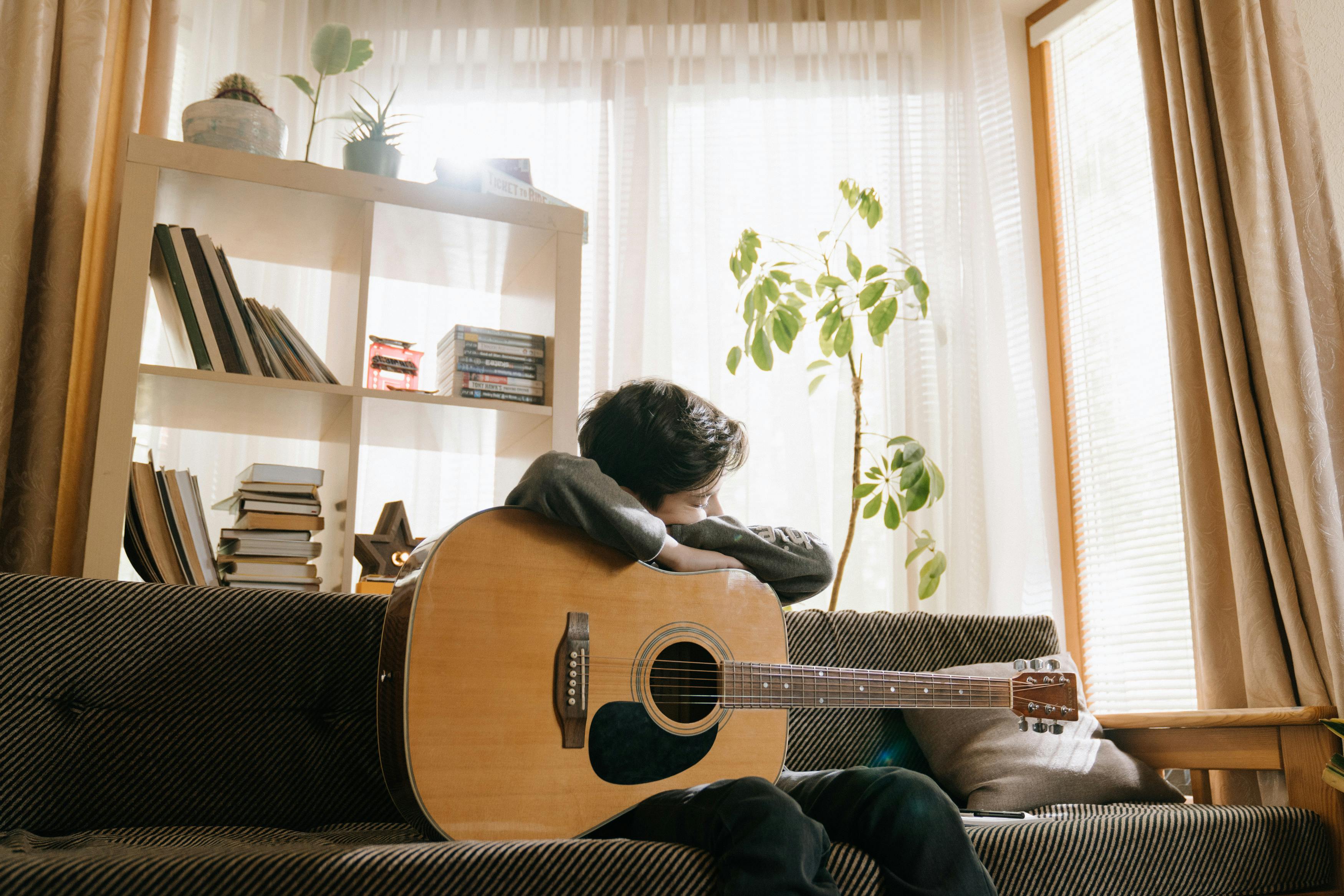
Most kids who start guitar do not fail because they have no talent. They fail because of a small number of completely avoidable mistakes that quietly drain all the motivation before the good part ever arrives.
The frustrating thing is that most of these mistakes look perfectly reasonable from the outside. Longer practice sessions sound like dedication. Saving the fun songs for later sounds like discipline. But each of these choices creates a small crack in the foundation, and by the time the guitar ends up under the bed, it is hard to know where things went wrong.
Here are the five mistakes that end most beginner guitar journeys in 2026 - and the simple fixes that keep them going.
Mistake 1 - Practicing Too Long and Too Rarely
The most common thing parents do when they want their child to take guitar seriously is push for longer practice sessions. An hour on the weekend feels like real effort. The problem is that effort and effectiveness are very different things when it comes to how children's brains actually build new physical skills.
Think of it like learning to juggle. Practice once for an hour and you will have forgotten most of it by next week. Practice for ten minutes every morning and your hands start to know what to do almost automatically. Guitar works the same way. Research on motor skill development consistently shows that short daily sessions build more durable progress than long infrequent ones, because the brain needs regular contact with a new skill to consolidate it properly - not a flood of repetition once a week.
Ten to fifteen minutes of daily guitar practice for kids is not the lazy version of learning - it is the version that actually works, and once the habit is in place, progress compounds in a way that a weekend marathon session never produces.
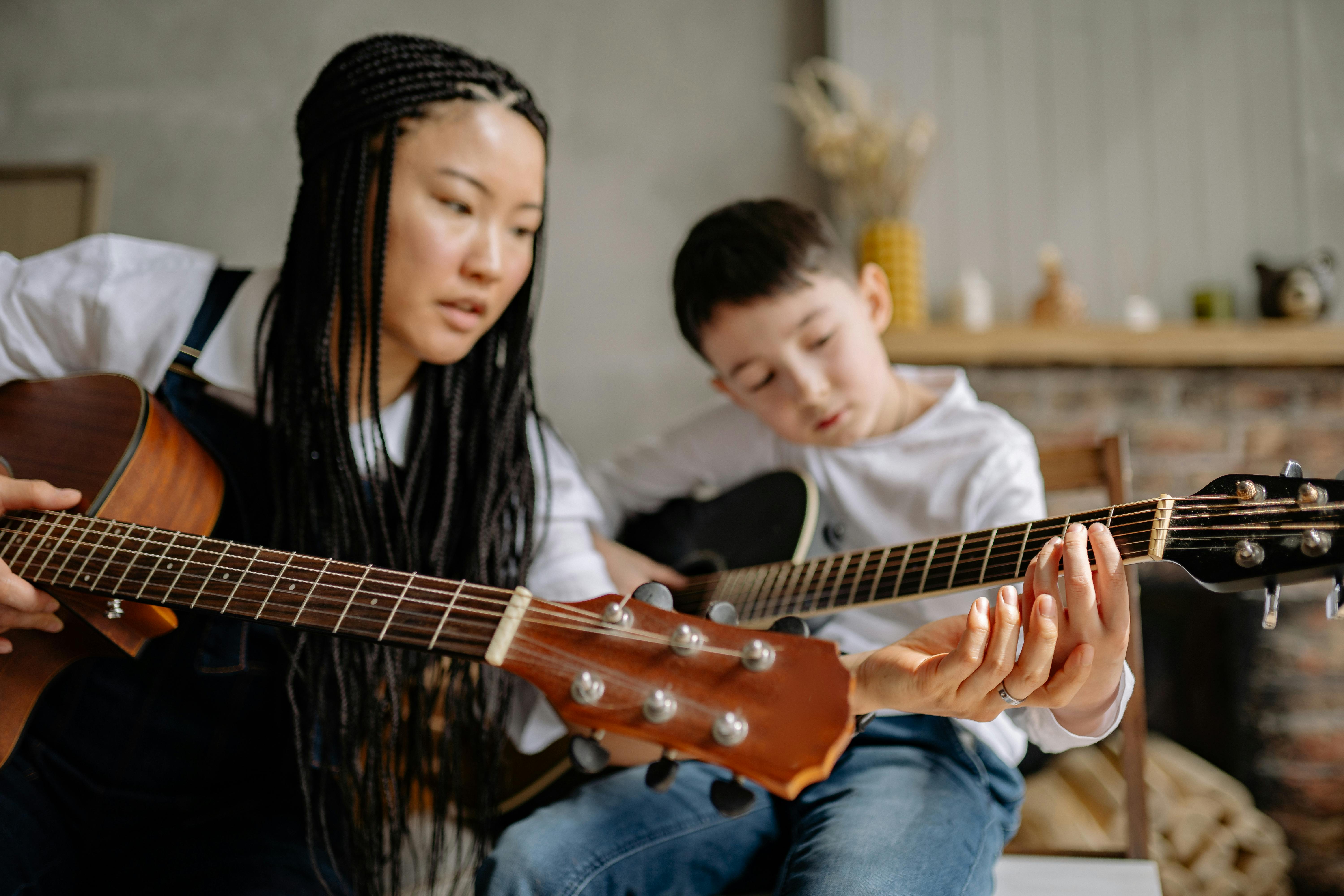
Mistake 2 - Practicing Without Any Feedback
Imagine your child is learning to shoot basketball free throws, but every time they release the ball the lights go out before it reaches the hoop. They keep throwing. They keep missing. And because nobody tells them anything, the wrong technique quietly becomes their normal. That is exactly what happens when a child practices guitar alone at home with nothing in the room to tell them whether what they are playing is right.
Bad habits in guitar are not dramatic - they are silent. A thumb drifting over the neck. A chord that sounds almost right. A rhythm just slightly off the beat. None of these feel like mistakes to a beginner, because beginners do not yet know what right feels like.
This is the feedback gap that ends most beginner journeys invisibly. The child thinks they are practicing. The parent thinks they are practicing. But without something to tell them whether each note is right, a lot of that time is not building toward anything useful.
Mistake 3 - Starting With Songs Nobody Cares About
There is a widespread belief in traditional music education that children need to earn the fun part - that fundamentals come first and enjoyable songs come later, once the groundwork is laid. The intention behind this is good. The result is that most children decide within the first two weeks whether guitar is for them, and they make that decision while playing exercises they find completely uninteresting.
The Simple Fixes
Shorter daily sessions instead of long occasional ones. Something that tells your child whether what they just played was right. A song they genuinely want to learn within the first two weeks. These three adjustments fix the most common beginner mistakes before they become the reason a child stops - and none of them require any musical knowledge from you.
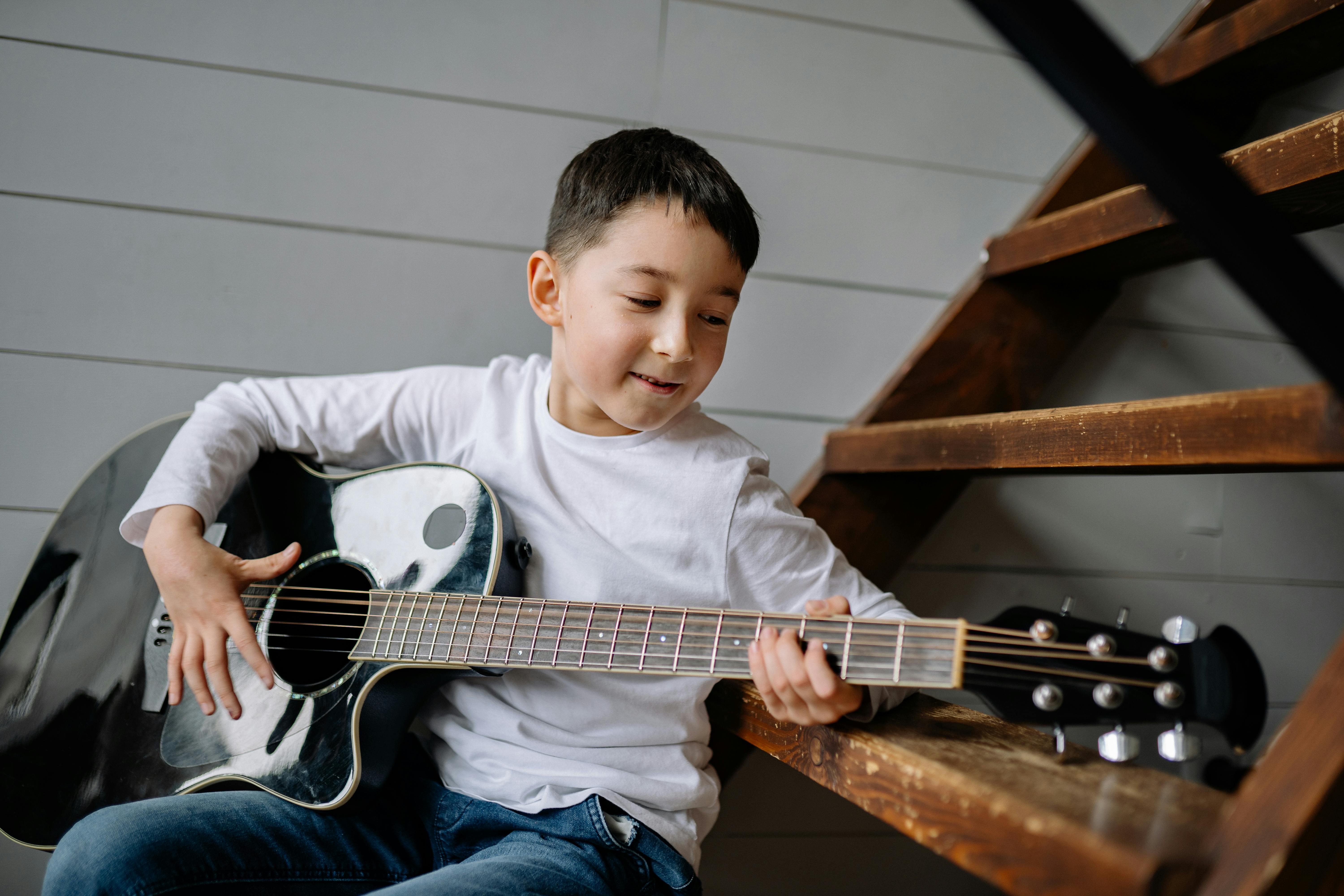
Mistake 4 - Relying on Weekly Lessons to Solve a Daily Problem
A good guitar teacher is genuinely valuable. But a lesson once a week cannot solve a motivation problem that exists every other day. Motivation in kids music lessons peaks in the room with the teacher - the five days in between are where most of the damage happens. A child who loved Saturday's lesson but has no reason to pick up the guitar on Tuesday is not building a habit. They are attending a weekly appointment.
The lesson is the check-in. The daily practice at home is where the actual skill develops. A child who practices imperfectly every day will outpace a child who has a brilliant lesson once a week and barely touches the guitar in between. Guitar practice streaks - not lesson attendance - are what actually predict how far a beginner goes.
Mistake 5 - Waiting for Motivation Before Building the Habit
Parents often wait for their child to genuinely want to practice on their own before building a structure around it. The logic makes sense - you do not want to force something that should be joyful. But motivation in children does not reliably arrive before the habit. It arrives because of it. A child who plays guitar every day starts to feel like a guitarist, and that identity is what generates the pull to keep going.
Waiting for the motivation to arrive before building the routine is like waiting to feel thirsty before stocking the fridge. The structure comes first. The motivation follows once a child starts experiencing their own progress - hearing a song they recognize come together under their own fingers, noticing something that was hard last week becoming easy this week.
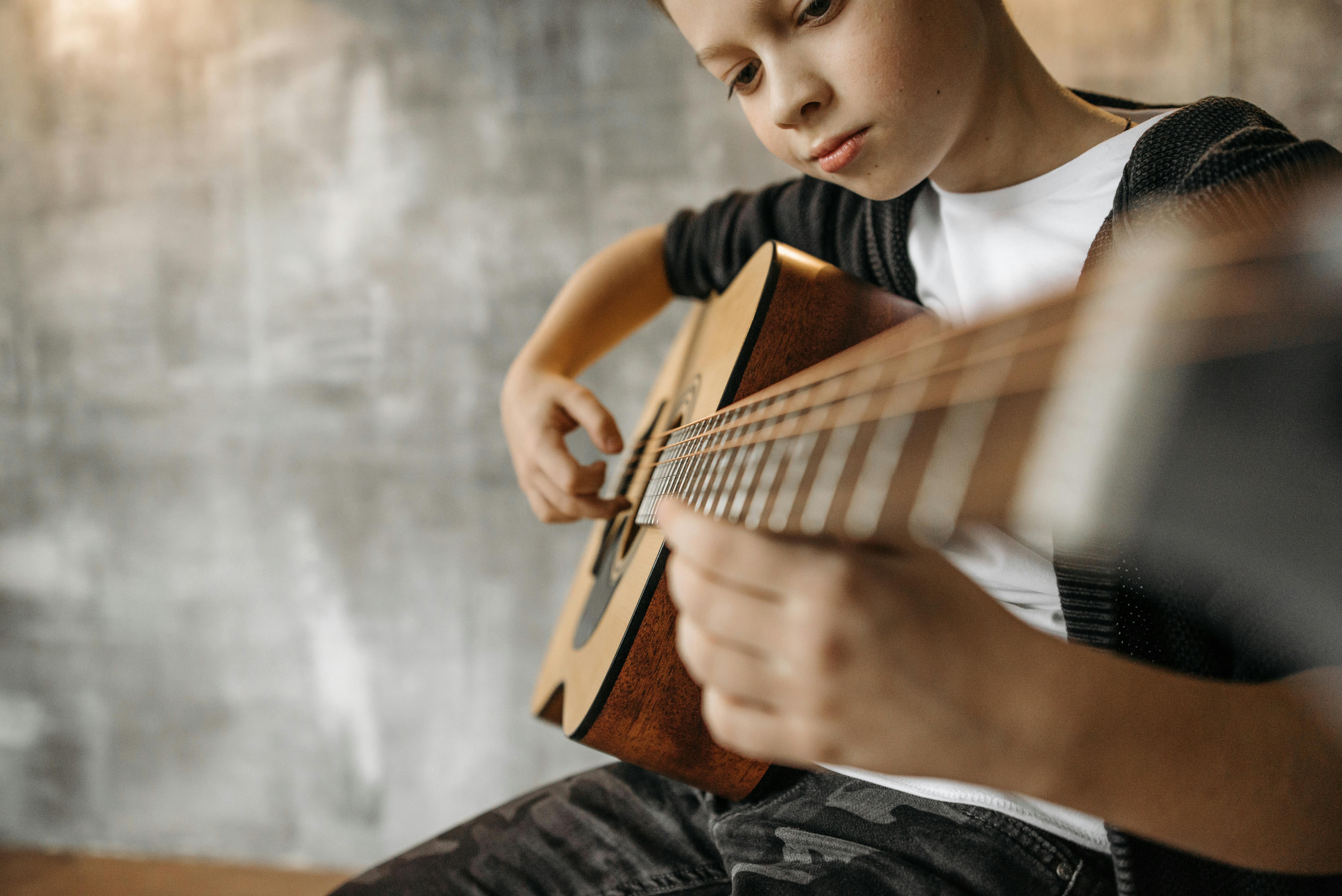
How Notey's World Helps You Avoid All Five at Once
Notey's World is not a lesson app with a game skin on top - it is one of the most thoughtfully designed music learning apps for kids available today, built as a full game with boss fights to defeat, characters and worlds to unlock, levels to progress through, and its own virtual currency called Beatcoin that kids earn by playing well and spend on skins and customizations. The guitar is real. The skills are real. But everything around them feels like play, which means the daily motivation problem solves itself.
Sessions are short and built for daily play, fixing the long-weekend-session mistake from day one. The game listens to the real guitar and responds to every note, closing the feedback gap that silent home practice creates. Kids learn songs they already love - starting from pop hits of Ariana Grande, Sabrina Carpenter and finishing with well-know themes from Frozen, Star Wars, Harry Potter - so there is a real emotional reason to care from session one. Guitar practice streaks are baked into the mechanics, turning daily contact with the instrument into part of the game. And the practice rewards for children built into every level - Beatcoins, new skins, characters, boss encounters - give every session a clear finish line that makes the next one easier to start.
Gamified music learning - and gamification in music education more broadly - works because it makes the habit automatic before the child has to generate their own internal motivation to sustain it. Once the habit is in place, the child's own progress becomes the reward. The moment they play Seven Nation Army all the way through and recognize what they just did - that is the moment no one needs to push them anymore. Ready to help that moment happen sooner? Explore Notey's World here.