Guitar Games for Kids Online: What's Actually Worth Your Child's Time
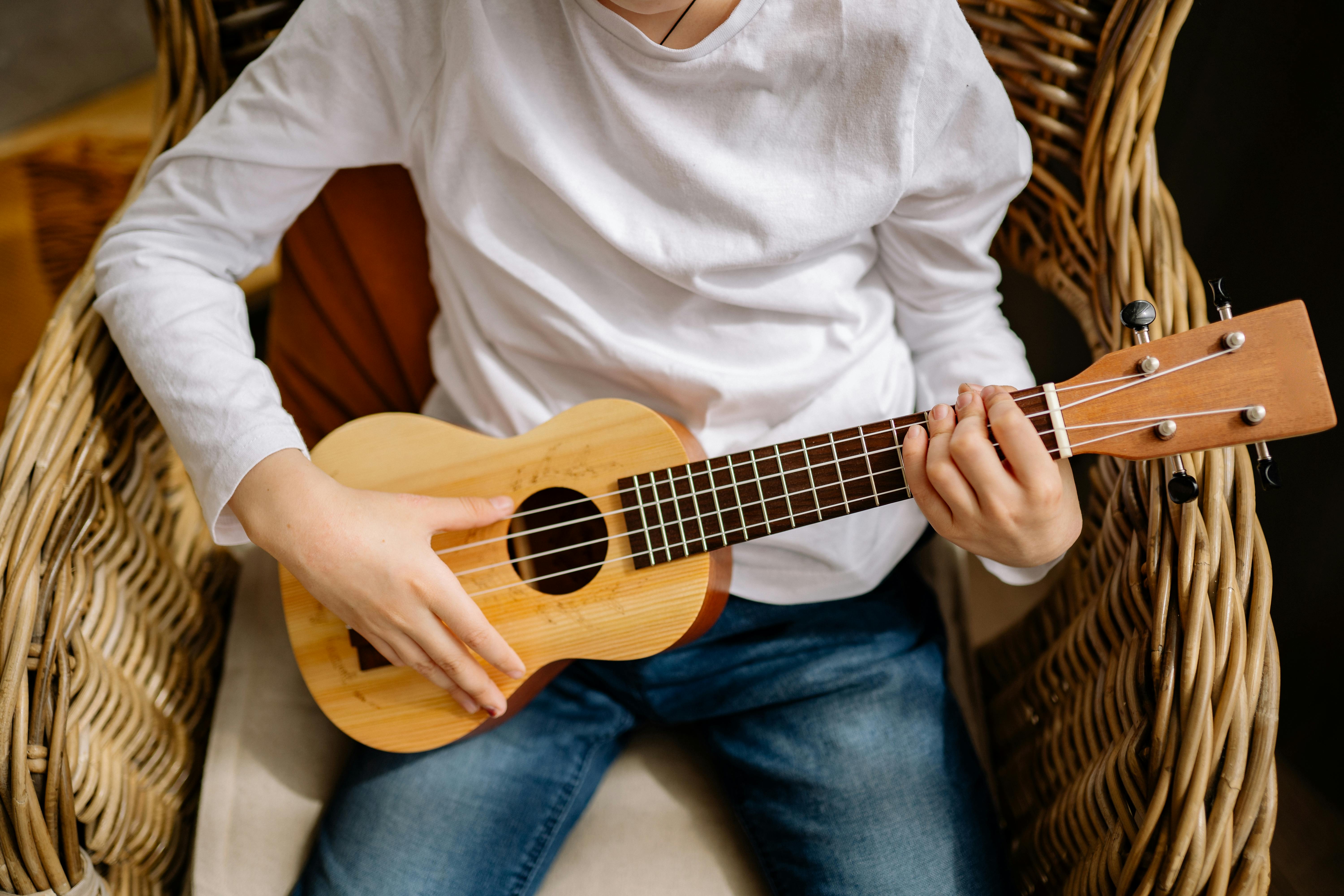
If your child is interested in guitar, the internet has no shortage of games promising to teach them.
Some of them are genuinely fun. A few are educational. Most are somewhere in between - entertaining enough to hold attention for an afternoon, but not structured in a way that builds the skills a child actually needs to play real music. The challenge for parents isn't finding a guitar game online - it's knowing what to look for so the time your child spends actually adds up to something.
This article walks through what separates a guitar game that teaches from one that just entertains, what browser-based options exist and what they're actually good for, and what to consider when your child is ready to go further than a simple online game can take them.
What Makes a Guitar Game Actually Educational
The single most important question to ask about any guitar game is this: does it use a real guitar? It sounds obvious, but the answer rules out the majority of options immediately. Most browser-based guitar games - including the rhythm games that dominated the early internet - use a keyboard, a mouse, or a touchscreen as the input device. They teach you to press buttons in time with falling shapes. That is a coordination game. It is not guitar.
A game that teaches real guitar has to listen to a real instrument. It needs a microphone input, an audio processing layer, and a feedback system that responds to what the child is actually playing - the specific notes, the timing, the accuracy. When a game can hear a child press an F chord and tell them whether they got it right, that game is building the same neural pathways that music educators and researchers have linked to genuine musical development. When it's just registering a keypress, it isn't.
The second thing to look for is progression. A good guitar game for kids should get harder as the child improves, introduce new concepts in a logical order, and make the gap between where they are and where they're going feel exciting rather than discouraging. That is what traditional lessons do well, and it's what separates a learning tool from a distraction.

What Browser Guitar Games Are Good For
Browser-based guitar games do have a genuine role to play - just not the one most parents assume. They are excellent for one specific thing: sparking initial interest. A child who spends twenty minutes on a rhythm game tapping along to a song they love has just had an experience that connects music with fun. That experience is not nothing. It is, in fact, one of the most important things that can happen early in a child's musical journey, because motivation research in music education consistently shows that intrinsic interest - wanting to play because it's enjoyable - predicts long-term success far better than talent or parental pressure.
So if your child has been playing a guitar game online and enjoying it, that's a signal worth paying attention to. The question is what to do with it. A browser game can light the spark, but it can't build the skill - and once a child hits the ceiling of what a simple rhythm game can teach, they either progress to something more structured or they lose interest. That transition point is the most important moment in a young guitarist's early development. For a sense of what real progression looks like over time, our article on how long it takes kids to learn guitar gives a practical breakdown by age.
The Problem With Most Guitar Games for Kids
The games that dominate search results for "guitar game for kids online" share a common design: colorful, immediately rewarding, and entirely disconnected from a real instrument. They're designed by game studios, not music educators. The goal is engagement time, not skill transfer. A child can play them for months and emerge with no meaningful ability to pick up an actual guitar.
This matters because screen time is finite. A child spending an hour on a guitar-themed browser game is an hour not spent on something that builds real ability. That's a trade-off worth making deliberately, not by default. The question isn't whether guitar games are good or bad - it's whether the specific game your child is playing is moving them toward real musicianship or just keeping them occupied. If you've already hit the wall where your child enjoys the idea of guitar but won't practice, our piece on what to do when your child wants to quit guitar is worth reading before you make any changes.
Where Notey's World Fits In
Notey's World was built precisely for the moment when a child's interest in guitar is real but their patience for traditional practice isn't. It's a guitar learning game - built from the ground up as a video game, not a lesson app with a points system bolted on - that teaches children aged 6 to 13 on an actual acoustic or electric guitar. A machine-learning audio engine listens to the child's real instrument in real time and responds to what it hears, which means every session builds genuine technique rather than button-pressing reflexes.
Sight-reading exercises become platformer levels. Kids earn Beatcoins by completing lessons and spend them on character skins and unlockables. Boss-fights test what they've learned in a format that feels like a reward. The song library includes tracks children actually want to play - Star Wars, Harry Potter, Disney classics, Sabrina Carpenter - which gives them a concrete goal worth working toward. Notey holds a 4.7-star rating on the App Store, has won a 2023 INNOVISION Technology in Education Award, and is used in NYC, Chicago, and Austin public schools, as well as multiple Suzuki music programs. It was designed with music educators from the start, which is why the game progression that makes it fun is also the progression that makes it work. Unlike Guitar Hero with its plastic controller, Notey teaches children on the instrument they'll actually play for the rest of their lives.
Helping Your Child Make the Jump From Game to Real Guitar
The best version of this journey looks something like this: a free browser game catches your child's attention and makes them feel like guitar is something they could enjoy. You use that interest as a jumping-off point for something more structured - something that still feels like a game but teaches real skills on a real instrument. Progress becomes visible. Confidence builds. The child starts requesting practice time instead of avoiding it.
That jump - from guitar as a thing that looks fun to guitar as something they're actually getting good at - is the one that matters. Browser games can start the conversation. What happens next is up to you.
Frequently Asked Questions
Can a Child Learn Real Guitar Skills From an Online Game?
Yes, but only if the game uses a real guitar rather than a keyboard or touchscreen controller. Games that listen to an actual acoustic or electric guitar and respond to the notes played can build genuine technique, note recognition, and rhythm - the same skills taught in traditional lessons. Games that simulate guitar using buttons or taps do not transfer to real playing.
What Age Is a Guitar Learning Game Suitable For?
Most guitar learning games designed for children are suitable from around age 6, when fine motor skills are developed enough to fret basic notes. The best games for this age range use short sessions, immediate visual feedback, and reward systems that keep younger players motivated without overwhelming them. Games aimed at adults tend to move too fast and lack the engagement hooks children need.
Is a Guitar Game a Good Alternative to Traditional Lessons?
For children aged 6 to 13, a well-designed guitar learning game can be as effective as traditional lessons for building foundational skills - and significantly more consistent, because kids actually want to play it every day. The key is choosing a game that teaches real technique on a real guitar rather than simulating the experience on a plastic controller or touchscreen.