Guitar Lessons for an 8 Year Old: What Actually Works at This Age
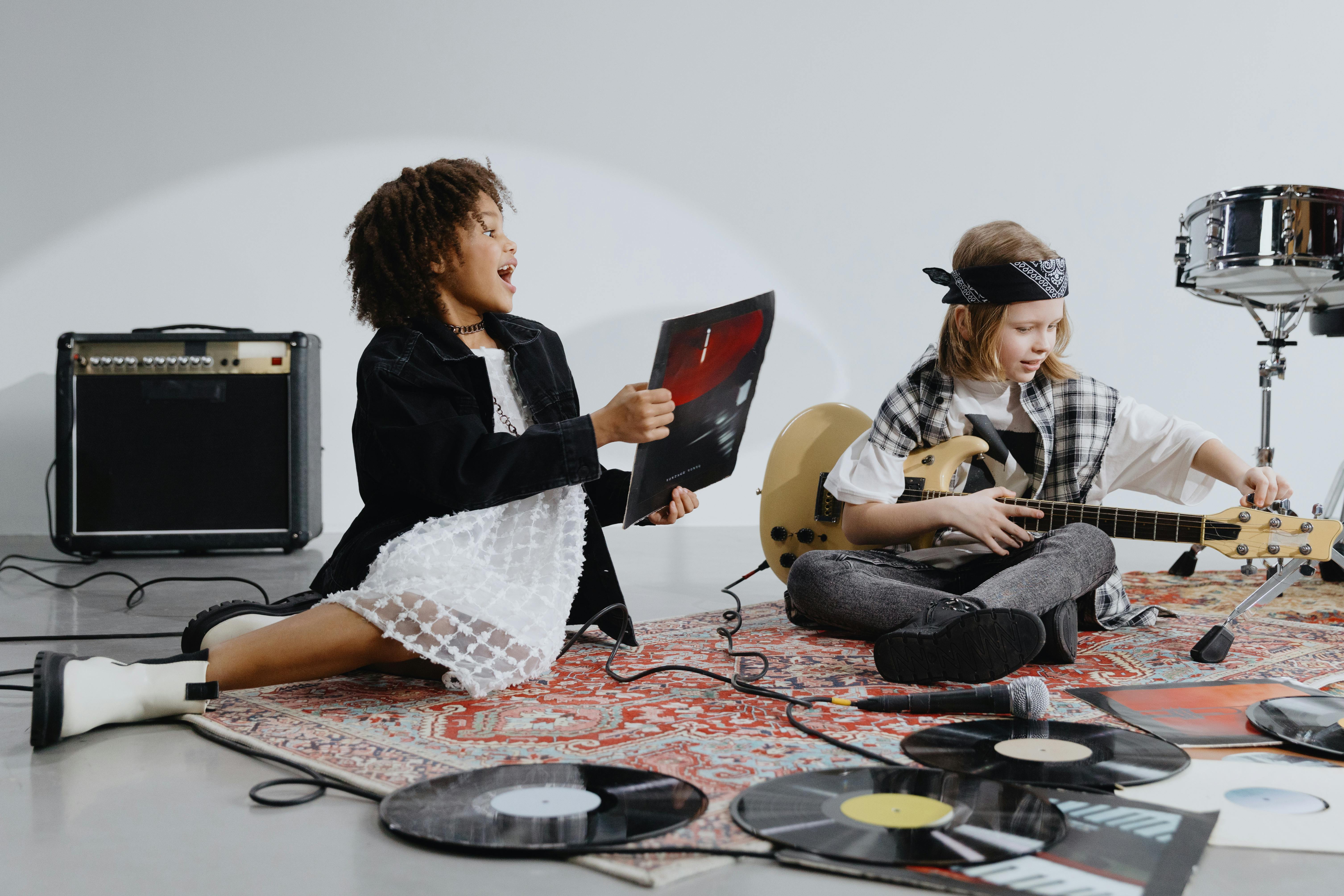
Eight years old is a genuinely good age to start guitar - better than most parents realize.
Children at this stage sit in a developmental sweet spot that doesn't last forever. Their fine motor skills are developed enough to form chords without the frustration that younger beginners face. Their attention spans can hold a structured lesson. They're old enough to understand that getting better at something takes time, but young enough that their brains are still in the high-plasticity window when musical learning is fastest and most natural. A child who starts guitar at eight and sticks with it for two years will likely outplay someone who started at fourteen and practiced twice as long.
But that potential only converts into real progress if guitar lessons for an 8 year old are structured in the right way. Too slow and a child loses interest. Too fast and the difficulty wall hits before confidence is built. Getting the approach right in the first few months makes the difference between a child who plays guitar for life and one who quits before Christmas.
What 8 Year Olds Are Ready For - and What They're Not
At eight, a child can form basic open chords with real accuracy if given enough time to build the finger strength. Em, Am, and G are the right starting point - three chords that unlock dozens of recognizable songs and don't require the hand stretch that beginners find discouraging. The jump to chord changes - smoothly moving from one to another mid-strum - typically takes a few weeks of consistent practice and should be introduced gently, not rushed.
Note reading is genuinely achievable at this age. Eight year olds who are already reading fluently at school can usually transfer that pattern-recognition ability to reading musical notation or tablature within a few months. The National Association for Music Education recommends introducing notation early rather than relying solely on tabs, because children who learn to read music build a more transferable skill set - one that stays useful across instruments and genres throughout their life.
What eight year olds are not ready for is extended sessions with no payoff. Practice that feels purely mechanical - running scales, drilling finger positions without connecting them to music they care about - is the fastest route to the "I want to quit" conversation. The solution isn't lower standards. It's smarter structure: technique drills wrapped inside songs they recognize, progress that's visible and celebrated, and sessions short enough to end before motivation runs out. If you're already navigating that conversation, our article on what to do when your child says guitar is too hard is a useful starting point.
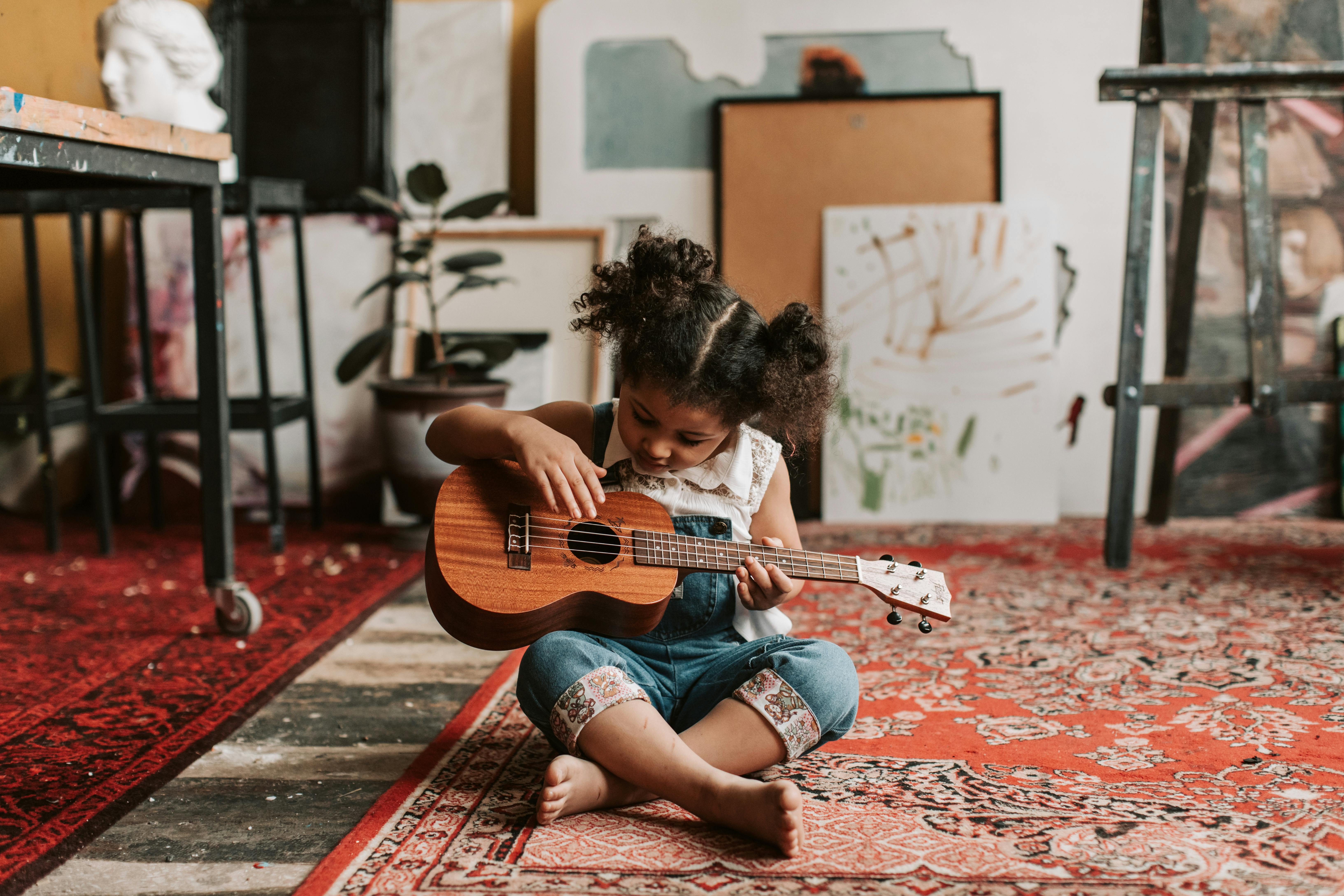
How Long Should an 8 Year Old Practice Each Day
Ten to fifteen minutes of focused daily practice is the right target for an 8 year old starting out. That might sound short - and it is, deliberately. The goal at this stage isn't volume, it's consistency. A child who plays for twelve minutes every day for two months will develop muscle memory and neural pathways that no amount of occasional longer sessions can replicate. The brain consolidates motor learning during sleep, which means daily repetition - even brief - is the mechanism that makes skills stick.
As confidence grows and the physical discomfort of early practice fades - typically around the six to eight week mark - sessions can naturally extend to twenty minutes. Forcing longer sessions before a child is ready tends to backfire, creating resistance that makes even the shorter sessions harder to maintain. The goal in the first three months is to make the daily habit feel normal, not impressive. A child who sits down every day without being asked has already won the hardest part of learning guitar.
Choosing the Right Guitar for an 8 Year Old
Guitar size matters more than most parents expect. A full-size guitar on an eight year old is the equivalent of handing them adult-sized tools and expecting precision - the physical awkwardness makes technique harder to develop and discomfort more likely. A 3/4 size acoustic is the standard recommendation for this age, and it's the right call for most children. The shorter scale length reduces string tension, which means forming chords requires less finger strength - a significant advantage in the early weeks when fingertips haven't yet built calluses.
Whether to start on acoustic or electric is largely a question of what your child is motivated by. Guitar educators generally agree that acoustic builds slightly stronger technique because it requires more deliberate finger pressure - but the best guitar is the one that makes your child want to pick it up every day. If your child's eyes light up at electric guitar, starting there is a legitimate choice. The fundamentals transfer cleanly between the two.

How Notey's World Supports 8 Year Old Learners
The single biggest challenge in guitar lessons for an 8 year old isn't the teaching - it's the motivation to keep showing up. Traditional lesson formats ask children to repeat exercises until they're right, which works, but it rarely makes a child excited to practice tomorrow. Notey's World was built to solve exactly that problem. It's a guitar learning game - designed from the ground up as a video game, not a lesson app with points bolted on - that teaches children aged 6 to 13 on a real acoustic or electric guitar.
A machine-learning audio engine listens to the child's real guitar in real time and responds to what it hears - so every session builds genuine technique, not button-pressing reflexes. Sight-reading exercises become platformer levels. Kids earn Beatcoins by completing lessons and spend them on character skins and unlockable rewards. Boss-fights test what they've learned in a format that feels like a prize rather than a test. The song library includes music that eight year olds actually want to play: Star Wars, Harry Potter, Disney classics, Sabrina Carpenter, Ariana Grande - which gives them an immediate goal worth working toward every day. Notey holds a 4.7-star rating on the App Store, has been adopted by NYC, Chicago, and Austin public schools, and was built with input from real music educators, so the progression that makes it fun is also the progression that makes it work.
What Progress Looks Like in the First Year
Parents starting their 8 year old on guitar often want to know what to expect - and having a realistic picture matters, because the first few months don't always look like progress even when it's happening. The neural changes that underlie musical skill build gradually and invisibly before they surface as visible ability. A child can be developing real technique for weeks before it shows up as a cleanly played chord or a recognizable melody.
A realistic first year looks something like this: the first month is mostly finger conditioning and getting comfortable with the instrument. By month two or three, basic open chords are forming and simple melodies are playable. By the six-month mark, a child who has practiced consistently can typically play several songs they recognize, read basic tablature, and change between chords with growing fluency. By the end of the first year, they have a foundation that makes every subsequent skill faster to acquire. That foundation is what all those short daily sessions are building - and it's more durable than it might feel in the middle of it. For a fuller breakdown of what to expect at each stage, our guide on how long it takes kids to learn guitar goes into more detail by age and practice frequency.
The parents who see their children succeed with guitar at eight are almost never the ones who pushed hardest. They're the ones who found a format their child actually wanted to engage with, kept sessions short enough to stay enjoyable, and let visible progress do the motivating. That combination - the right structure, the right length, and something worth playing toward - is what turns a curious eight year old into a child who plays guitar for life.
Frequently Asked Questions
Is 8 a Good Age to Start Guitar Lessons?
Eight is one of the best ages to begin guitar. Children at this age have developed enough fine motor control to form chords cleanly, can follow multi-step instructions, and are old enough to understand that improvement takes practice. They are also young enough that the brain's neural plasticity still makes musical learning faster and more natural than it will be in adulthood.
How Long Should an 8 Year Old Practice Guitar Each Day?
For an 8 year old, 10 to 15 minutes of focused daily practice is more effective than one long weekly session. Short, consistent practice builds the muscle memory and neural pathways that lead to real progress. As motivation and stamina grow over the first few months, sessions can gradually extend to 20 minutes without the child feeling overwhelmed or resistant.
What Should an 8 Year Old Learn First on Guitar?
The most effective starting point for an 8 year old is learning to identify and play individual notes on the first few strings, followed by simple open chords like Em, Am, and G. Rhythm basics - learning to strum in time - should be introduced early alongside note work. Songs the child already knows and loves are the single most powerful motivator at this stage, so connecting technique to real music from the start makes a significant difference.