Why Kids Quit Guitar (And What Parents Can Actually Do About It)
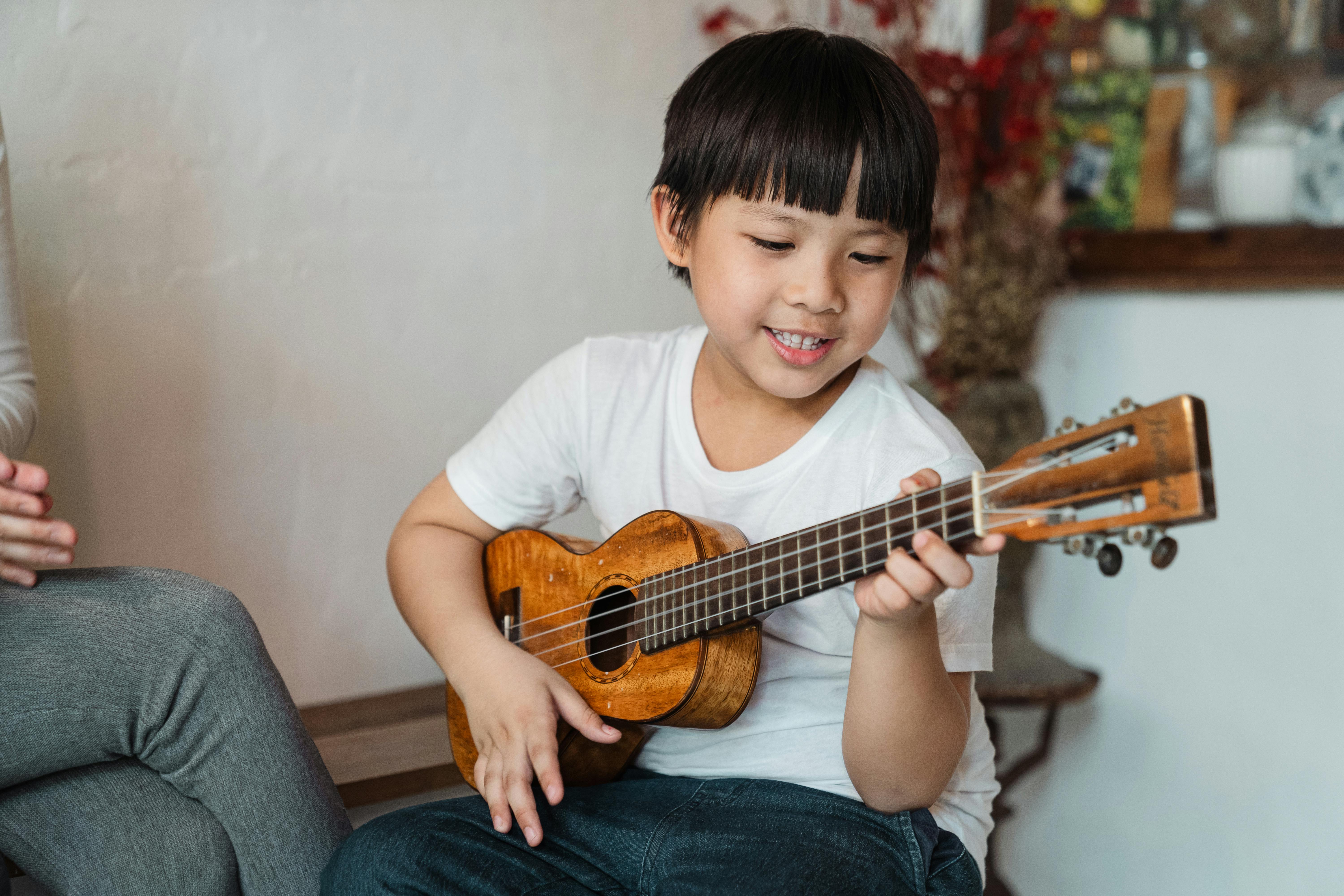
Most kids who quit guitar were never short on talent.
They picked up the instrument with genuine excitement. They wanted to play their favourite song. They begged you to sign them up for lessons. And then, somewhere between the first chord diagram and the fourth week of practice, the enthusiasm quietly disappeared - and one day they just stopped asking to play.
If that story sounds familiar, you are not alone. Research from the NAMM Foundation consistently shows that instrument dropout rates spike within the first year of learning, with lack of motivation cited as the leading reason. But "lack of motivation" is a symptom, not a cause. To actually fix it, you have to understand what drove the motivation away in the first place.
It Almost Always Starts With Finger Pain
Nobody tells parents this at the start: the first few weeks of guitar are physically uncomfortable. Steel strings press into soft fingertips, and until calluses form, even a ten-minute practice session can feel genuinely unpleasant for a child. For an adult, that discomfort is a badge of progress. For a seven-year-old, it is just pain - and pain is a very effective signal to stop doing something.
The solution is not to push through it, and it is not to quit. It is to keep the early sessions short enough that the pain never becomes the main memory of practice. Fifteen minutes of focused, enjoyable playing is worth far more than forty-five minutes of white-knuckling through it. Fingertip calluses form gradually with consistent, low-resistance repetition - not through endurance. Think of it like breaking in a new pair of trainers: a little every day works; a marathon on day one does not.
When Progress Feels Invisible
Children need to see progress in real time. Adults have the emotional maturity to work toward a distant goal for months without visible feedback. Children, developmentally, do not - and asking them to is one of the fastest routes to frustration and dropout.
Traditional guitar lessons make progress hard to see. You practise a chord for a week and, from your child's perspective, you are still playing the same chord. The milestones are abstract, the rewards are intangible, and the next level is always just out of view. The National Association for Music Education notes that visible progress markers are one of the most reliable drivers of sustained student engagement - something that structured lesson formats often struggle to deliver for younger learners.
This is why the way progress is framed matters as much as the progress itself. When a child earns something - a point, a reward, an unlocked level - they feel the forward momentum that abstract skill-building does not provide. For more on what a realistic skill timeline looks like for young guitarists, our guide on how long it takes kids to learn guitar walks through what to expect at each stage.
Boredom Is Not a Character Flaw
When a child says "guitar is boring," parents often hear a complaint about effort. What the child is usually communicating is something more specific: the content does not feel relevant to them. Scales are boring. Chord diagrams are boring. Playing "Twinkle Twinkle Little Star" for the fourth time in a row is boring - especially when this child lives in a world of Star Wars, Sabrina Carpenter, and Harry Potter.
Song choice matters enormously. Research in music psychology has long supported the idea that emotional connection to material is a primary driver of practise engagement. A child who is working toward playing a song they love will practise differently - with more focus, more patience, and more willingness to repeat the hard parts - than a child working through a prescribed exercise they feel nothing for. This is not a motivation trick. It is how intrinsic engagement works.
If your child is on the verge of quitting, it is worth reading what to do before you let them quit - because the difference between a child who quits and one who eventually loves guitar is often a single change in how practice feels.
The Pressure Problem
There is a particular kind of silence that falls over a practice session when a parent is watching and waiting. Children feel it. Guitar practice can become the activity where they most acutely feel their own imperfection - the wrong note, the clumsy chord change, the stumble on something they could play perfectly the day before. Under observation, the joy of playing collapses into performance anxiety.
The healthiest practice dynamic is one where the child feels genuinely in control: choosing what to work on, setting their own pace, and experiencing the feedback loop as something between them and the instrument - not them and the parent. When the external pressure is removed, the internal motivation has room to grow. Easier said than done, of course - but the structure of practice matters as much as the duration.
How Notey's World Addresses Every Quit Trigger
Notey's World is a guitar learning game - emphasis on game - built specifically for children aged 6 to 13. It was designed from the ground up to solve the exact problems described above, not by making guitar easier, but by making the experience of learning it feel completely different.
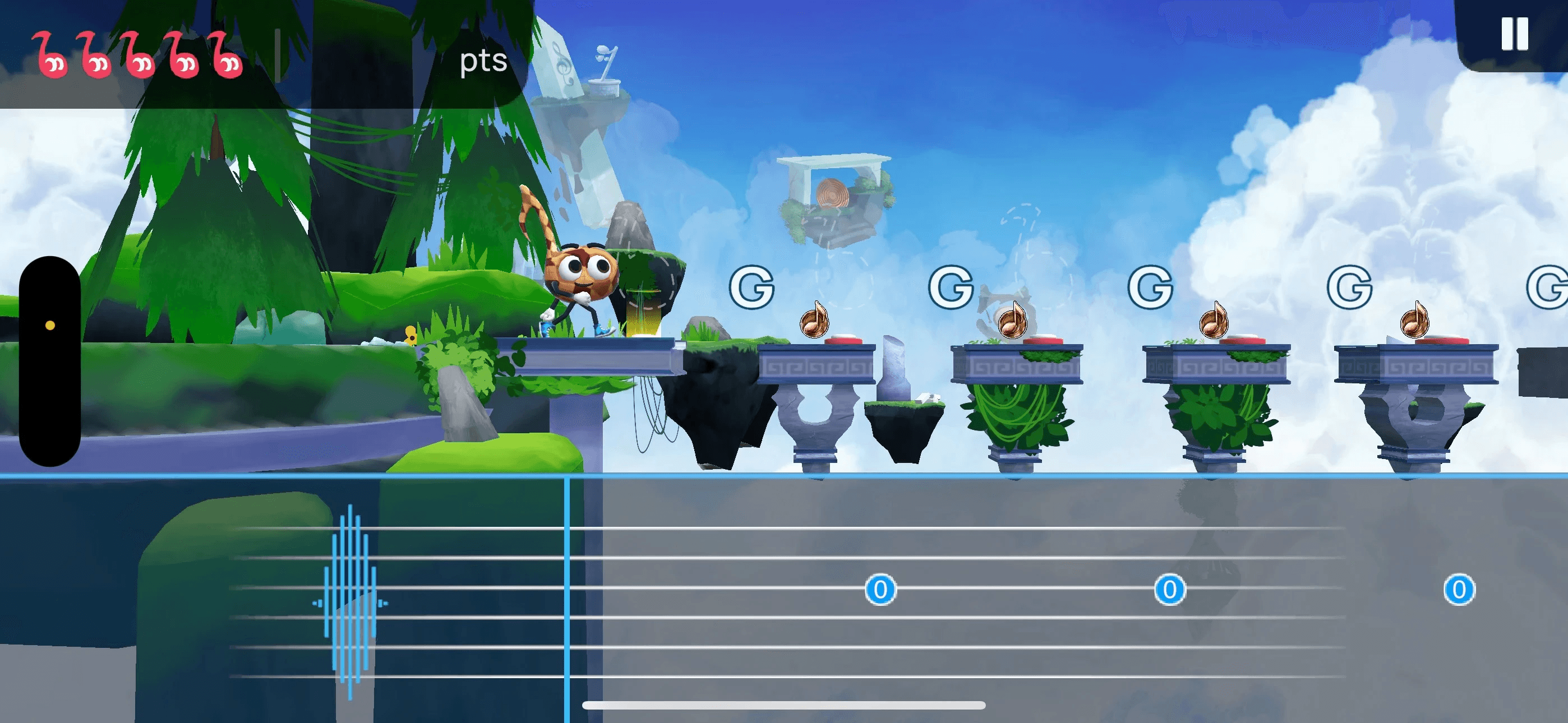
In Notey's World, sight-reading exercises become platformer levels, lessons are structured as missions, and children earn Beatcoins for completing challenges - a virtual currency they can spend on character skins, unlocks, and cosmetics. Boss-fights test everything the player has learned and provide the kind of high-stakes moment that makes practice feel like it matters. Sessions are structured around short, focused gameplay loops, which means early-stage finger discomfort never gets the chance to dominate the experience. And the song library includes music kids actually want to play: Disney, Star Wars, Harry Potter, and Sabrina Carpenter rather than a prescribed beginner repertoire they have no connection to.
Unlike Guitar Hero, which used a plastic controller and taught nothing transferable, Notey uses a real acoustic or electric guitar - so every level cleared, every Beatcoin earned, every boss defeated represents genuine progress on a real instrument. The app uses a machine-learning audio engine that listens to the player's guitar in real time and responds accordingly, so the feedback is immediate and accurate. It holds a 4.7-star rating on the App Store and has been adopted by NYC Public Schools, Chicago Public Schools, and Austin Public Schools, among others. It is not a workaround for guitar learning - it is guitar learning, structured in a way that children's brains are actually built to respond to.
What Parents Can Do Right Now
If your child is showing signs of quitting, the first step is to identify which quit trigger is at play. Is it physical discomfort? Try shorter sessions and softer strings. Is it invisible progress? Introduce a simple reward system - even a sticker chart - so that micro-progress becomes visible. Is it the wrong songs? Let them pick one thing they love and work toward it specifically. Is it pressure? Step back and let practice be their time, not a shared performance.
Guitar is one of the few skills a child can carry for a lifetime - but only if it stays attached to positive feeling long enough to become part of who they are. The child who "quits" guitar at age eight and the child who plays for the rest of their life are often separated by a single month of better-structured practice. You are closer to a breakthrough than you probably think.
Frequently Asked Questions
Why do so many kids quit guitar after a few months?
The most common reasons are finger discomfort during the early weeks, slow visible progress, an unengaging repertoire, and parent pressure during practice. These issues are structural, not personal - they reflect how traditional guitar learning is formatted rather than anything about the child's ability or character. Addressing even one of these factors meaningfully reduces dropout rates.
At What Age Do Kids Most Commonly Quit Guitar?
Dropout peaks in the first year of learning and again around ages 10 to 12, when social pressures and competing interests intensify. The first-year window is the most important to protect. Children who reach the 12-month mark with their enthusiasm intact are significantly more likely to continue playing long-term.
Should I Force My Child to Keep Practising Guitar?
Forcing practice tends to deepen resistance rather than resolve it. A better approach is to investigate the root cause of reluctance and remove the friction - whether that means shorter sessions, different songs, or a more game-like structure. The goal is to make practice feel like something worth returning to, not something to endure.