Can Kids Really Learn Guitar Through a Game?
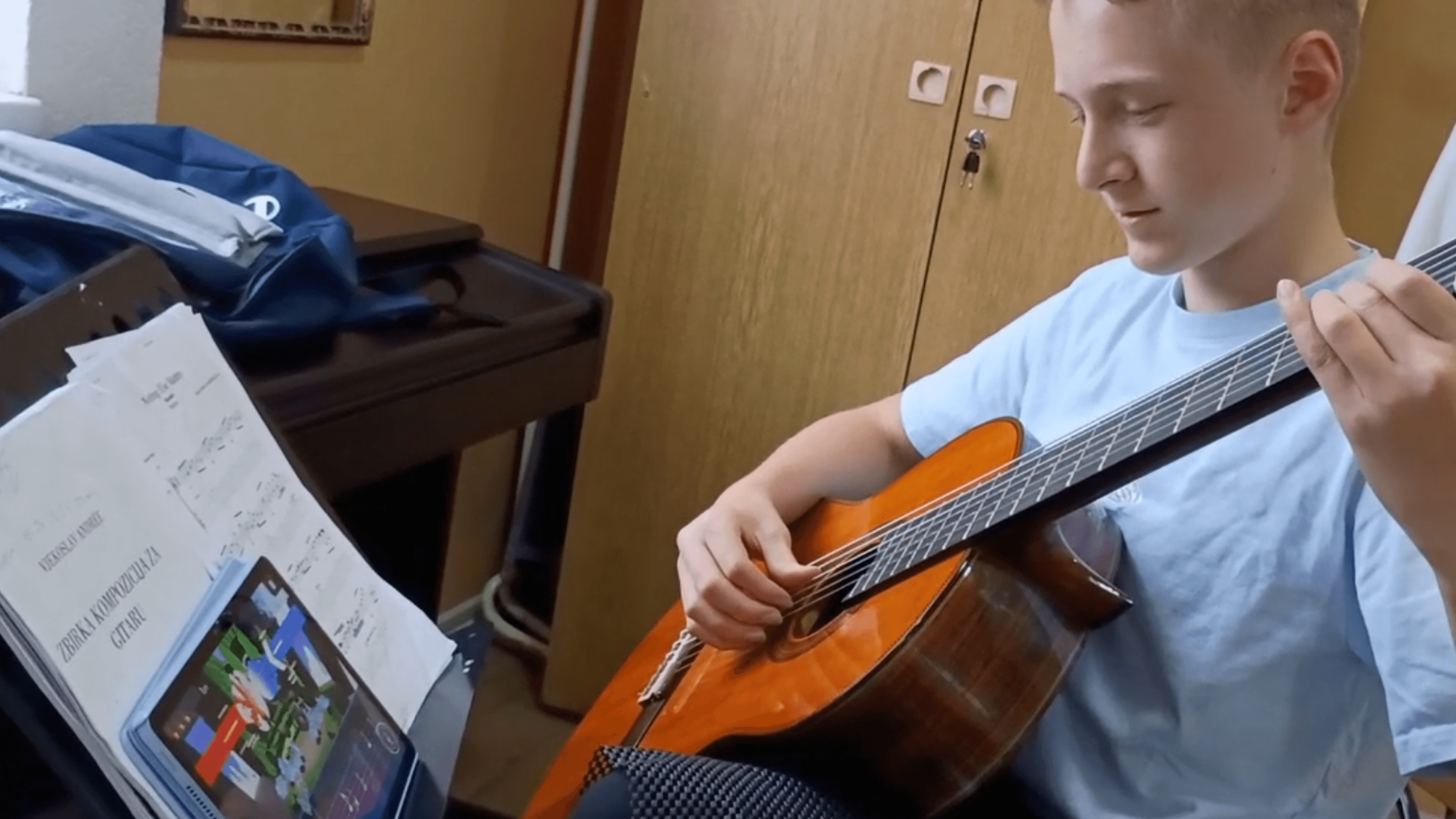
When many parents first hear about guitar learning games, they have the same reaction:
"That sounds fun... but are they actually learning guitar?"
It's a fair question.
Parents want their children to enjoy learning, but they also want to know that practice time is leading to real progress. Nobody wants to spend months on an app only to discover their child hasn't developed meaningful musical skills.
The good news is that not all guitar learning games are created equal.
The best ones don't replace learning with entertainment. They use game mechanics to help children stay engaged long enough to build real skills, confidence, and consistency.
For many young beginners, that can make all the difference.
Why Traditional Guitar Learning Can Be Challenging for Kids
Learning guitar is hard at first.
Children are trying to coordinate both hands, learn new finger positions, keep a steady rhythm, and remember what they practiced yesterday. Even highly motivated beginners can feel frustrated during the first few weeks.
Parents often see progress that kids don't.
A child may successfully learn a new note or improve a chord transition, but if they don't recognize that improvement themselves, they may feel like they're getting nowhere.
That's one reason so many beginners lose motivation early.
The challenge usually isn't ability.
It's helping children experience enough success to keep going.
What Causes Kids to Quit Guitar?
Most children don't quit because they dislike music.
They quit because learning starts to feel difficult, confusing, or repetitive.
Common reasons include:
Not knowing what to practice
Feeling overwhelmed by new skills
Struggling to see improvement
Practicing without clear goals
Losing confidence after making mistakes
When those frustrations build up, even enthusiastic beginners can lose interest.
The most effective learning experiences help reduce those barriers and make progress easier to recognize.
What Guitar Learning Games Do Differently
A well-designed guitar learning game combines structured instruction with the motivational elements kids naturally respond to.
That might include:
Clear goals
Short challenges
Visible progress
Immediate feedback
Achievable milestones
These features aren't valuable because they're "game-like."
They're valuable because they help children stay engaged and motivated while learning.
When kids can see themselves improving, practice becomes easier to stick with.
The Difference Between a Game and a Learning Game
This distinction is important.
Some music games are primarily designed for entertainment. They may keep kids occupied, but they don't necessarily teach transferable guitar skills.
A true guitar learning game should help children develop skills they can use on a real instrument.
Look for experiences that:
Use a real guitar
Teach notes, chords, and rhythm
Provide feedback on actual playing
Build skills progressively
Connect learning to real music
The goal isn't simply screen time.
The goal is helping children become musicians.
Signs a Guitar Learning Game Is Actually Working
Parents don't need to be guitar experts to recognize progress.
Some positive signs include:
Your child picks up the guitar without being reminded
Practice sessions become less of a struggle
They talk about what they're learning
They can demonstrate new skills regularly
Their confidence grows over time
Small improvements often matter more than dramatic breakthroughs.
Consistent progress is what leads to long-term success.
What Parents Should Look For
If you're evaluating a guitar learning app for your child, focus less on flashy features and more on the learning experience itself.
Ask:
Does my child know what to do next?
Can they see their progress?
Are they building confidence?
Are they learning real guitar skills?
Do they want to keep practicing?
Those answers often tell you more than any feature list ever will.
How Notey Approaches Guitar Learning
At Notey, we believe learning should feel rewarding from the very beginning.
That's why the guitar acts as the controller. Kids learn by playing a real instrument, receiving feedback, and progressing through carefully designed challenges that build skills one step at a time.
The goal isn't simply to make guitar practice more fun.
It's to help beginners experience enough success to keep learning.
Because when children feel capable, they're far more likely to stick with it.
Final Thoughts
Parents don't need to choose between learning and engagement.
The best guitar learning games combine both.
When children can see their progress, understand what they're working toward, and experience regular wins along the way, they're more likely to develop the confidence and consistency that real learning requires.
At the end of the day, the question isn't whether a game can teach guitar.
It's whether that experience helps a child pick up their guitar again tomorrow.
And that's where lasting progress begins.