How Music Teachers are Turning Lesson Plans into Video Game Worlds

Thursday, February 12, 2026
Remember when getting kids to practice guitar meant threats, bribes, and the dreaded "five more minutes" negotiation? Yeah, music teachers remember too. But here's the thing: educators are now hacking the system by turning their lesson plans into actual video game levels: and it's completely changing how kids ages 6-13 learn music.
This isn't about replacing real teaching with flashy gimmicks. It's about meeting kids where they already are (glued to screens, obsessed with leveling up) and transforming that energy into genuine musical skill. Music teachers across the country are discovering that when you turn a scale exercise into a boss battle, suddenly practice becomes something kids want to do.
Let's dig into how this transformation is happening: and why your kid's guitar teacher might be secretly a game designer now.
The Problem with Traditional Music Education (Let's Be Honest)
Traditional guitar lessons have been pretty much the same for decades. A kid sits down, reads from a method book, practices scales, maybe learns a song they don't care about, and repeats. For some kids, this works. For most? It's a slog.
Music educators have known this forever, but they've been stuck between wanting to teach proper technique and fundamentals while also keeping students engaged enough to actually show up week after week. The dropout rate for young guitar students is notoriously high: not because kids don't want to play guitar, but because the path to get good feels boring and endless.
Enter the guitar learning app for kids revolution. Teachers realized that if students are spending hours conquering levels in Fortnite or solving puzzles in Minecraft, why not channel that same motivation into learning real music?
How Music Teachers Are Using Video Games in the Classroom
According to recent educational trends, music teachers have started integrating video game composition and analysis into their curriculum as an engaging way to teach music fundamentals. Here's what's actually happening in classrooms:
Composition Projects with Gaming Themes
Teachers are having students compose original video game soundtracks as hands-on learning experiences. Students create layered music for different scenarios: battle music, peaceful village themes, dramatic boss encounters: which teaches them how music conveys emotion and setting. They learn to record MIDI, layer multiple tracks, adjust dynamics, and build musical tension progressively.
Analysis and Critical Listening
Some educators use video game soundtracks as primary texts for musical study. Students analyze music from popular games, discuss how different genres shape the sonic experience, and even watch interviews with professional video game composers. This approach teaches critical thinking about how music functions in interactive media.
Performance Through Familiar Music
Teachers provide beginner-appropriate arrangements of popular video game themes from The Legend of Zelda, Minecraft, Undertale, and more: allowing students to perform music from games they already know and love.
This is all brilliant. But here's where it gets even better: what if teachers could upload their own curriculum directly into a guitar teaching video game that students could play at home?
Enter the Music Education App That Lets Teachers Build Their Own Game Worlds
This is where platforms like Notey's World are changing the game (literally). Instead of teachers trying to fit their curriculum into pre-made software or spending hours creating supplemental materials, they can now upload their own music and lesson plans directly into an interactive video game environment.
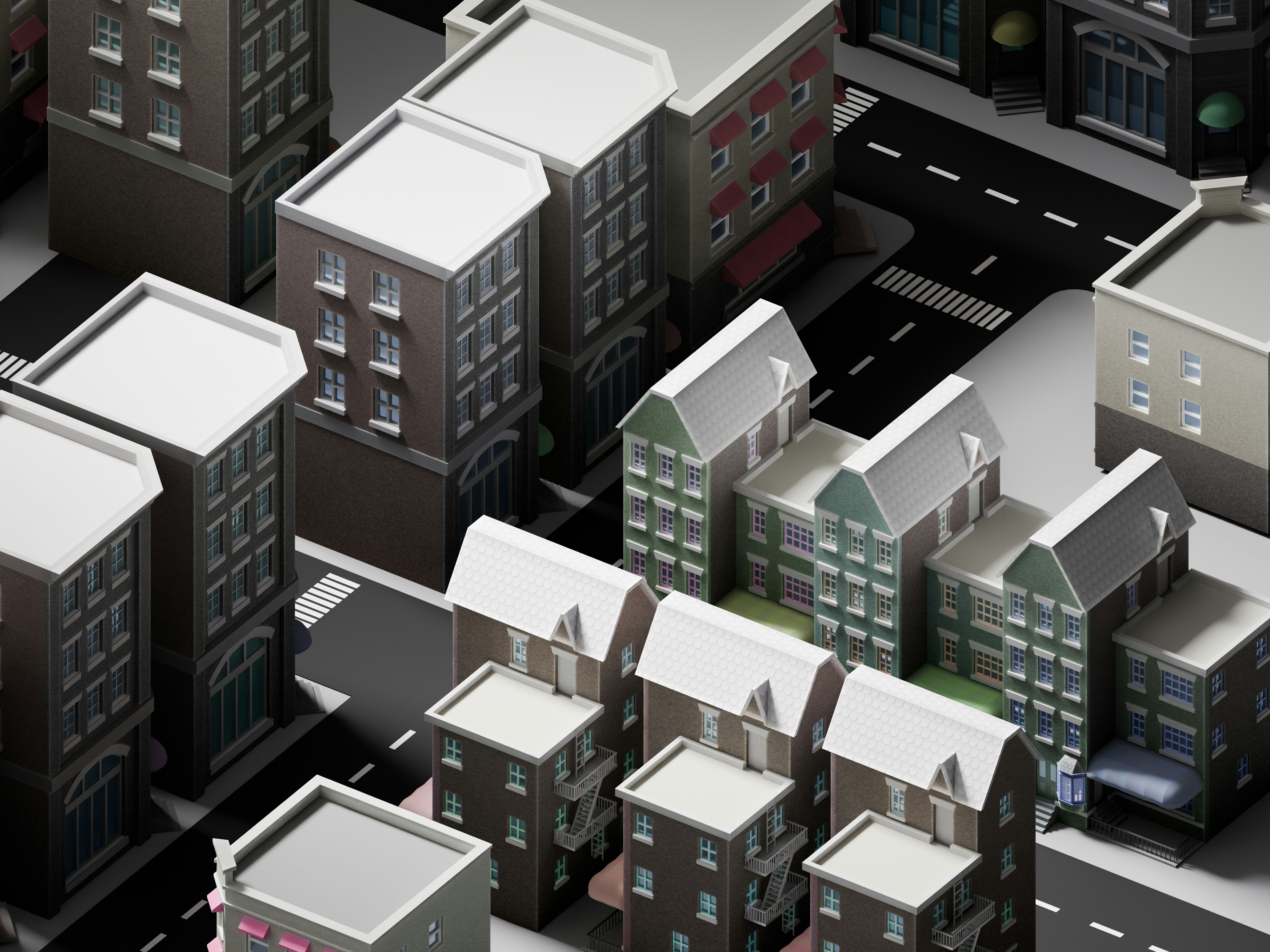
Here's how it works: A teacher has a specific song or technique they want their student to master. They upload the music to the platform, and suddenly that lesson becomes a playable level. The student logs in at home, picks up their real guitar (not a plastic controller), and starts their quest. As they play the correct notes and follow the lesson plan, they progress through the level, defeat enemies, and unlock new content.
For teachers using traditional methods alongside apps like Simply Guitar or resources from Guitar Center, this creates a powerful hybrid approach. The in-person lesson provides guidance and correction, while the gamified practice at home keeps students engaged between sessions.
Why This Matters for Teachers (Beyond Just Cool Factor)
Let's talk about the actual benefits for music educators:
Customization Without Extra Work
Teachers can customize lessons for each student's skill level without creating entirely new materials from scratch. Upload the content once, and the game adapts the difficulty as the student improves.
Real-Time Progress Tracking
Instead of relying on students' promises that they "totally practiced this week," teachers can see exactly what levels students completed, where they struggled, and how much time they spent practicing. No more guessing games.
Student Motivation Between Lessons
This is the big one. When students are genuinely excited to practice at home, they progress faster. Teachers spend less time reviewing basics and more time teaching advanced techniques and musicality.
Bridges Traditional and Modern Teaching
Teachers aren't abandoning tried-and-true methods: they're enhancing them. You still teach proper technique, music theory, and expression in person. The game just makes sure students actually practice those concepts at home.
The Real Instrument Difference
Here's something crucial that separates a true music education app from just another game: students play on actual guitars.
Unlike rhythm games with plastic controllers, students develop real muscle memory, calluses, and finger strength. They're not just pressing buttons in time with colored dots: they're learning actual chord shapes, proper fretting technique, and authentic strumming patterns. This matters enormously for teachers. When a student shows up to their lesson having practiced all week on a real instrument through gamified levels, they're building genuine skills that transfer directly to performance. No need to "translate" from game controller to actual guitar.
The app tracks their playing through the device's microphone or through a direct connection, giving instant feedback on whether they're hitting the right notes, maintaining proper rhythm, and following the lesson plan correctly.
How It Actually Helps Kids Ages 6-13 Stay Motivated
Middle childhood is a tricky time for music education. Kids are old enough to understand that getting good requires practice, but they're also easily distracted and quick to quit activities that feel tedious.
Video game mechanics tap into psychological motivators that work especially well for this age group:
Immediate Feedback: Kids know instantly if they're playing correctly, rather than waiting for next week's lesson to find out.
Clear Progression: Levels, badges, and unlockables give tangible evidence of improvement.
Autonomy: Students can choose which "quests" to tackle first within their teacher's curriculum.
Challenge That Scales: The game adjusts difficulty automatically, keeping students in the "just right" zone: not too easy, not impossibly hard.
Social Comparison (the Good Kind): Students can see their progress without direct competition that creates pressure.
For teachers, this means fewer dropouts and more students who stick with guitar long enough to actually get good. And when students reach that point where they can play a full song from start to finish? That's when the real magic of music education happens.
Real Teacher Success Stories
Music educators using gamified platforms report some pretty remarkable transformations. Students who previously practiced 10 minutes per week (if their parents were lucky) are now logging 30-45 minutes per day: without being asked.
One middle school guitar teacher in California noted that after implementing a guitar app for beginners alongside traditional instruction, her student retention rate increased by 40%. Students weren't quitting after the initial excitement wore off because the game kept them engaged through the challenging early stages.

Another educator found that students were actually ahead of their lesson plans because they'd been playing extra levels at home out of pure curiosity about what came next. Instead of drilling the same basic chords for weeks, she was able to introduce more complex techniques and theory earlier than expected.
The Future of Music Education Looks Like a Video Game
We're at an interesting moment in education where technology and traditional teaching methods are finally merging in meaningful ways. Music teachers don't have to choose between being "serious educators" and "cool gamers": they can be both.
The key is finding platforms that respect the craft of music education while embracing the engagement power of gaming. Look for features like:
Teacher-controlled curriculum so educators maintain authority over what's taught
Real instrument integration for genuine skill development
Progress tracking that gives teachers actionable data
Age-appropriate content designed specifically for kids 6-13
Flexibility to work alongside other teaching methods and resources
If you're interested in how video games stack up against traditional guitar lessons, check out this detailed comparison: Video Game for Learning Guitar vs. Traditional Lessons.
Ready to Level Up Your Teaching?
Whether you're a music educator looking to reduce student dropout rates, or a parent trying to figure out why your kid's guitar is collecting dust in the corner, gamified music education offers a legitimate solution.
Notey's World lets teachers upload their own curriculum and transform it into interactive quests that students actually want to complete. Real guitar. Real learning. Real results.
The best part? You're not replacing good teaching: you're amplifying it. Students still need instruction on technique, musicality, and theory. But now they'll actually practice those concepts at home because defeating the Dragon of Difficult Chords is way more appealing than "play this scale 20 times."
Want to see how other parents got their kids hooked on guitar practice? Check out How to Keep Your Kid Practicing Guitar Without the Daily Battle.
The future of music education looks a lot like a video game world. And honestly? It's about time.
Remember when getting kids to practice guitar meant threats, bribes, and the dreaded "five more minutes" negotiation? Yeah, music teachers remember too. But here's the thing: educators are now hacking the system by turning their lesson plans into actual video game levels: and it's completely changing how kids ages 6-13 learn music.
This isn't about replacing real teaching with flashy gimmicks. It's about meeting kids where they already are (glued to screens, obsessed with leveling up) and transforming that energy into genuine musical skill. Music teachers across the country are discovering that when you turn a scale exercise into a boss battle, suddenly practice becomes something kids want to do.
Let's dig into how this transformation is happening: and why your kid's guitar teacher might be secretly a game designer now.
The Problem with Traditional Music Education (Let's Be Honest)
Traditional guitar lessons have been pretty much the same for decades. A kid sits down, reads from a method book, practices scales, maybe learns a song they don't care about, and repeats. For some kids, this works. For most? It's a slog.
Music educators have known this forever, but they've been stuck between wanting to teach proper technique and fundamentals while also keeping students engaged enough to actually show up week after week. The dropout rate for young guitar students is notoriously high: not because kids don't want to play guitar, but because the path to get good feels boring and endless.
Enter the guitar learning app for kids revolution. Teachers realized that if students are spending hours conquering levels in Fortnite or solving puzzles in Minecraft, why not channel that same motivation into learning real music?

How Music Teachers Are Using Video Games in the Classroom
According to recent educational trends, music teachers have started integrating video game composition and analysis into their curriculum as an engaging way to teach music fundamentals. Here's what's actually happening in classrooms:
Composition Projects with Gaming Themes
Teachers are having students compose original video game soundtracks as hands-on learning experiences. Students create layered music for different scenarios: battle music, peaceful village themes, dramatic boss encounters: which teaches them how music conveys emotion and setting. They learn to record MIDI, layer multiple tracks, adjust dynamics, and build musical tension progressively.
Analysis and Critical Listening
Some educators use video game soundtracks as primary texts for musical study. Students analyze music from popular games, discuss how different genres shape the sonic experience, and even watch interviews with professional video game composers. This approach teaches critical thinking about how music functions in interactive media.
Performance Through Familiar Music
Teachers provide beginner-appropriate arrangements of popular video game themes from The Legend of Zelda, Minecraft, Undertale, and more: allowing students to perform music from games they already know and love.
This is all brilliant. But here's where it gets even better: what if teachers could upload their own curriculum directly into a guitar teaching video game that students could play at home?
Enter the Music Education App That Lets Teachers Build Their Own Game Worlds
This is where platforms like Notey's World are changing the game (literally). Instead of teachers trying to fit their curriculum into pre-made software or spending hours creating supplemental materials, they can now upload their own music and lesson plans directly into an interactive video game environment.
Here's how it works: A teacher has a specific song or technique they want their student to master. They upload the music to the platform, and suddenly that lesson becomes a playable level. The student logs in at home, picks up their real guitar (not a plastic controller), and starts their quest. As they play the correct notes and follow the lesson plan, they progress through the level, defeat enemies, and unlock new content.

For teachers using traditional methods alongside apps like Simply Guitar or resources from Guitar Center, this creates a powerful hybrid approach. The in-person lesson provides guidance and correction, while the gamified practice at home keeps students engaged between sessions.
Why This Matters for Teachers (Beyond Just Cool Factor)
Let's talk about the actual benefits for music educators:
Customization Without Extra Work
Teachers can customize lessons for each student's skill level without creating entirely new materials from scratch. Upload the content once, and the game adapts the difficulty as the student improves.
Real-Time Progress Tracking
Instead of relying on students' promises that they "totally practiced this week," teachers can see exactly what levels students completed, where they struggled, and how much time they spent practicing. No more guessing games.
Student Motivation Between Lessons
This is the big one. When students are genuinely excited to practice at home, they progress faster. Teachers spend less time reviewing basics and more time teaching advanced techniques and musicality.
Bridges Traditional and Modern Teaching
Teachers aren't abandoning tried-and-true methods: they're enhancing them. You still teach proper technique, music theory, and expression in person. The game just makes sure students actually practice those concepts at home.
The Real Instrument Difference
Here's something crucial that separates a true music education app from just another game: students play on actual guitars.
Unlike rhythm games with plastic controllers, students develop real muscle memory, calluses, and finger strength. They're not just pressing buttons in time with colored dots: they're learning actual chord shapes, proper fretting technique, and authentic strumming patterns. This matters enormously for teachers. When a student shows up to their lesson having practiced all week on a real instrument through gamified levels, they're building genuine skills that transfer directly to performance. No need to "translate" from game controller to actual guitar.
The app tracks their playing through the device's microphone or through a direct connection, giving instant feedback on whether they're hitting the right notes, maintaining proper rhythm, and following the lesson plan correctly.
How It Actually Helps Kids Ages 6-13 Stay Motivated
Middle childhood is a tricky time for music education. Kids are old enough to understand that getting good requires practice, but they're also easily distracted and quick to quit activities that feel tedious.
Video game mechanics tap into psychological motivators that work especially well for this age group:
Immediate Feedback: Kids know instantly if they're playing correctly, rather than waiting for next week's lesson to find out.
Clear Progression: Levels, badges, and unlockables give tangible evidence of improvement.
Autonomy: Students can choose which "quests" to tackle first within their teacher's curriculum.
Challenge That Scales: The game adjusts difficulty automatically, keeping students in the "just right" zone: not too easy, not impossibly hard.
Social Comparison (the Good Kind): Students can see their progress without direct competition that creates pressure.
For teachers, this means fewer dropouts and more students who stick with guitar long enough to actually get good. And when students reach that point where they can play a full song from start to finish? That's when the real magic of music education happens.
Real Teacher Success Stories
Music educators using gamified platforms report some pretty remarkable transformations. Students who previously practiced 10 minutes per week (if their parents were lucky) are now logging 30-45 minutes per day: without being asked.
One middle school guitar teacher in California noted that after implementing a guitar app for beginners alongside traditional instruction, her student retention rate increased by 40%. Students weren't quitting after the initial excitement wore off because the game kept them engaged through the challenging early stages.

Another educator found that students were actually ahead of their lesson plans because they'd been playing extra levels at home out of pure curiosity about what came next. Instead of drilling the same basic chords for weeks, she was able to introduce more complex techniques and theory earlier than expected.
The Future of Music Education Looks Like a Video Game
We're at an interesting moment in education where technology and traditional teaching methods are finally merging in meaningful ways. Music teachers don't have to choose between being "serious educators" and "cool gamers": they can be both.
The key is finding platforms that respect the craft of music education while embracing the engagement power of gaming. Look for features like:
Teacher-controlled curriculum so educators maintain authority over what's taught
Real instrument integration for genuine skill development
Progress tracking that gives teachers actionable data
Age-appropriate content designed specifically for kids 6-13
Flexibility to work alongside other teaching methods and resources
If you're interested in how video games stack up against traditional guitar lessons, check out this detailed comparison: Video Game for Learning Guitar vs. Traditional Lessons.
Ready to Level Up Your Teaching?
Whether you're a music educator looking to reduce student dropout rates, or a parent trying to figure out why your kid's guitar is collecting dust in the corner, gamified music education offers a legitimate solution.
Notey's World lets teachers upload their own curriculum and transform it into interactive quests that students actually want to complete. Real guitar. Real learning. Real results.
The best part? You're not replacing good teaching: you're amplifying it. Students still need instruction on technique, musicality, and theory. But now they'll actually practice those concepts at home because defeating the Dragon of Difficult Chords is way more appealing than "play this scale 20 times."
Want to see how other parents got their kids hooked on guitar practice? Check out How to Keep Your Kid Practicing Guitar Without the Daily Battle.
The future of music education looks a lot like a video game world. And honestly? It's about time.
Remember when getting kids to practice guitar meant threats, bribes, and the dreaded "five more minutes" negotiation? Yeah, music teachers remember too. But here's the thing: educators are now hacking the system by turning their lesson plans into actual video game levels: and it's completely changing how kids ages 6-13 learn music.
This isn't about replacing real teaching with flashy gimmicks. It's about meeting kids where they already are (glued to screens, obsessed with leveling up) and transforming that energy into genuine musical skill. Music teachers across the country are discovering that when you turn a scale exercise into a boss battle, suddenly practice becomes something kids want to do.
Let's dig into how this transformation is happening: and why your kid's guitar teacher might be secretly a game designer now.
The Problem with Traditional Music Education (Let's Be Honest)
Traditional guitar lessons have been pretty much the same for decades. A kid sits down, reads from a method book, practices scales, maybe learns a song they don't care about, and repeats. For some kids, this works. For most? It's a slog.
Music educators have known this forever, but they've been stuck between wanting to teach proper technique and fundamentals while also keeping students engaged enough to actually show up week after week. The dropout rate for young guitar students is notoriously high: not because kids don't want to play guitar, but because the path to get good feels boring and endless.
Enter the guitar learning app for kids revolution. Teachers realized that if students are spending hours conquering levels in Fortnite or solving puzzles in Minecraft, why not channel that same motivation into learning real music?

How Music Teachers Are Using Video Games in the Classroom
According to recent educational trends, music teachers have started integrating video game composition and analysis into their curriculum as an engaging way to teach music fundamentals. Here's what's actually happening in classrooms:
Composition Projects with Gaming Themes
Teachers are having students compose original video game soundtracks as hands-on learning experiences. Students create layered music for different scenarios: battle music, peaceful village themes, dramatic boss encounters: which teaches them how music conveys emotion and setting. They learn to record MIDI, layer multiple tracks, adjust dynamics, and build musical tension progressively.
Analysis and Critical Listening
Some educators use video game soundtracks as primary texts for musical study. Students analyze music from popular games, discuss how different genres shape the sonic experience, and even watch interviews with professional video game composers. This approach teaches critical thinking about how music functions in interactive media.
Performance Through Familiar Music
Teachers provide beginner-appropriate arrangements of popular video game themes from The Legend of Zelda, Minecraft, Undertale, and more: allowing students to perform music from games they already know and love.
This is all brilliant. But here's where it gets even better: what if teachers could upload their own curriculum directly into a guitar teaching video game that students could play at home?
Enter the Music Education App That Lets Teachers Build Their Own Game Worlds
This is where platforms like Notey's World are changing the game (literally). Instead of teachers trying to fit their curriculum into pre-made software or spending hours creating supplemental materials, they can now upload their own music and lesson plans directly into an interactive video game environment.
Here's how it works: A teacher has a specific song or technique they want their student to master. They upload the music to the platform, and suddenly that lesson becomes a playable level. The student logs in at home, picks up their real guitar (not a plastic controller), and starts their quest. As they play the correct notes and follow the lesson plan, they progress through the level, defeat enemies, and unlock new content.

For teachers using traditional methods alongside apps like Simply Guitar or resources from Guitar Center, this creates a powerful hybrid approach. The in-person lesson provides guidance and correction, while the gamified practice at home keeps students engaged between sessions.
Why This Matters for Teachers (Beyond Just Cool Factor)
Let's talk about the actual benefits for music educators:
Customization Without Extra Work
Teachers can customize lessons for each student's skill level without creating entirely new materials from scratch. Upload the content once, and the game adapts the difficulty as the student improves.
Real-Time Progress Tracking
Instead of relying on students' promises that they "totally practiced this week," teachers can see exactly what levels students completed, where they struggled, and how much time they spent practicing. No more guessing games.
Student Motivation Between Lessons
This is the big one. When students are genuinely excited to practice at home, they progress faster. Teachers spend less time reviewing basics and more time teaching advanced techniques and musicality.
Bridges Traditional and Modern Teaching
Teachers aren't abandoning tried-and-true methods: they're enhancing them. You still teach proper technique, music theory, and expression in person. The game just makes sure students actually practice those concepts at home.
The Real Instrument Difference
Here's something crucial that separates a true music education app from just another game: students play on actual guitars.
Unlike rhythm games with plastic controllers, students develop real muscle memory, calluses, and finger strength. They're not just pressing buttons in time with colored dots: they're learning actual chord shapes, proper fretting technique, and authentic strumming patterns. This matters enormously for teachers. When a student shows up to their lesson having practiced all week on a real instrument through gamified levels, they're building genuine skills that transfer directly to performance. No need to "translate" from game controller to actual guitar.
The app tracks their playing through the device's microphone or through a direct connection, giving instant feedback on whether they're hitting the right notes, maintaining proper rhythm, and following the lesson plan correctly.
How It Actually Helps Kids Ages 6-13 Stay Motivated
Middle childhood is a tricky time for music education. Kids are old enough to understand that getting good requires practice, but they're also easily distracted and quick to quit activities that feel tedious.
Video game mechanics tap into psychological motivators that work especially well for this age group:
Immediate Feedback: Kids know instantly if they're playing correctly, rather than waiting for next week's lesson to find out.
Clear Progression: Levels, badges, and unlockables give tangible evidence of improvement.
Autonomy: Students can choose which "quests" to tackle first within their teacher's curriculum.
Challenge That Scales: The game adjusts difficulty automatically, keeping students in the "just right" zone: not too easy, not impossibly hard.
Social Comparison (the Good Kind): Students can see their progress without direct competition that creates pressure.
For teachers, this means fewer dropouts and more students who stick with guitar long enough to actually get good. And when students reach that point where they can play a full song from start to finish? That's when the real magic of music education happens.
Real Teacher Success Stories
Music educators using gamified platforms report some pretty remarkable transformations. Students who previously practiced 10 minutes per week (if their parents were lucky) are now logging 30-45 minutes per day: without being asked.
One middle school guitar teacher in California noted that after implementing a guitar app for beginners alongside traditional instruction, her student retention rate increased by 40%. Students weren't quitting after the initial excitement wore off because the game kept them engaged through the challenging early stages.

Another educator found that students were actually ahead of their lesson plans because they'd been playing extra levels at home out of pure curiosity about what came next. Instead of drilling the same basic chords for weeks, she was able to introduce more complex techniques and theory earlier than expected.
The Future of Music Education Looks Like a Video Game
We're at an interesting moment in education where technology and traditional teaching methods are finally merging in meaningful ways. Music teachers don't have to choose between being "serious educators" and "cool gamers": they can be both.
The key is finding platforms that respect the craft of music education while embracing the engagement power of gaming. Look for features like:
Teacher-controlled curriculum so educators maintain authority over what's taught
Real instrument integration for genuine skill development
Progress tracking that gives teachers actionable data
Age-appropriate content designed specifically for kids 6-13
Flexibility to work alongside other teaching methods and resources
If you're interested in how video games stack up against traditional guitar lessons, check out this detailed comparison: Video Game for Learning Guitar vs. Traditional Lessons.
Ready to Level Up Your Teaching?
Whether you're a music educator looking to reduce student dropout rates, or a parent trying to figure out why your kid's guitar is collecting dust in the corner, gamified music education offers a legitimate solution.
Notey's World lets teachers upload their own curriculum and transform it into interactive quests that students actually want to complete. Real guitar. Real learning. Real results.
The best part? You're not replacing good teaching: you're amplifying it. Students still need instruction on technique, musicality, and theory. But now they'll actually practice those concepts at home because defeating the Dragon of Difficult Chords is way more appealing than "play this scale 20 times."
Want to see how other parents got their kids hooked on guitar practice? Check out How to Keep Your Kid Practicing Guitar Without the Daily Battle.
The future of music education looks a lot like a video game world. And honestly? It's about time.
