How Guitar Learning Games Help Kids Build Confidence From Day One
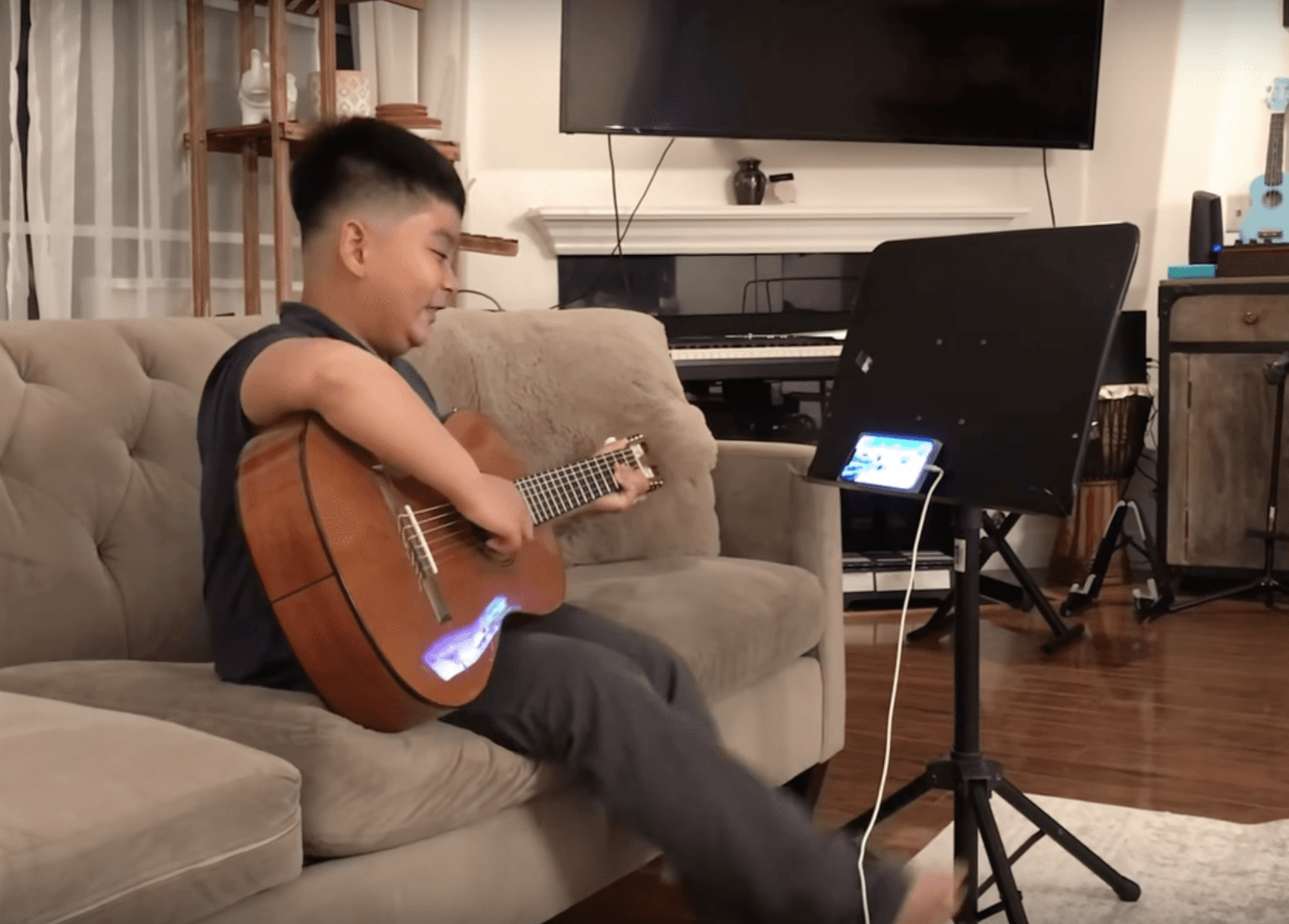
When kids first start learning guitar, excitement usually isn't the problem.
They're excited to hold the instrument. Excited to learn their first song. Excited to show family members every new thing they've figured out.
The challenge comes a few weeks later.
The strings feel harder to press than they expected. Chord changes seem impossible. Songs don't sound the way they imagined they would. Practice starts to feel more frustrating than fun.
That's often the moment when parents begin wondering whether their child is losing interest.
In reality, most kids don't quit because they don't like music.
They quit because they stop feeling successful.
That's why the way beginners learn matters so much.
Why Learning Guitar Feels Challenging at First
Learning guitar requires children to build several skills at the same time.
They're learning where to place their fingers. They're developing coordination between both hands. They're trying to keep a steady rhythm while also listening carefully to what they're playing.
That's a lot for a beginner.
As adults, we understand that learning takes time. Kids often don't.
Many young beginners expect progress to happen quickly. When it doesn't, it's easy for them to assume they're simply not good at guitar.
That's why confidence becomes such an important part of the learning process.
The Kids Who Stick With Guitar Usually Experience the Same Things
Parents often assume successful students are naturally more talented.
More often, they're simply having a better learning experience.
Kids who stick with guitar tend to:
Know what they're supposed to practice
Experience regular small wins
Receive feedback that helps them improve
Feel like they're making progress
Believe they're capable of learning
That last point is especially important.
Children who believe they're improving are much more likely to keep going when things get difficult.
Why Small Wins Matter So Much
Think about how kids learn almost any skill.
They don't stay motivated because they're thinking about where they'll be a year from now.
They stay motivated because they're excited about what they accomplished today.
Maybe they played a melody correctly for the first time.
Maybe they switched between two chords without stopping.
Maybe they finished part of a song they've been working on.
Those moments may seem small, but they create momentum.
Each success gives children a reason to pick up the guitar again tomorrow.
How Guitar Learning Games Support Real Learning
Some parents hear the word "game" and worry it means less learning.
The best guitar learning games actually do the opposite.
They use game-like elements to make progress easier to see.
Instead of wondering whether they're improving, children receive immediate feedback. Instead of practicing without direction, they follow a clear path forward. Instead of waiting weeks to feel successful, they experience small accomplishments during every learning session.
The goal isn't entertainment for entertainment's sake.
The goal is helping kids stay engaged long enough to build real musical skills.
What Parents Should Look For
Not every guitar learning app creates the same experience.
When evaluating options, look for programs that:
Provide clear step-by-step progression
Focus on real guitar skills
Offer immediate feedback
Make progress visible
Encourage short, consistent practice sessions
Build confidence alongside technique
The best learning tools help children feel successful while continuing to challenge them appropriately.
How Notey Approaches Beginner Guitar Learning
At Notey, we believe confidence comes before consistency.
Children are more likely to practice when they can see their progress and feel successful along the way.
That's why Notey combines real guitar practice with guided progression, interactive challenges, and immediate feedback designed specifically for beginners.
Instead of wondering what to do next, kids always have a clear path forward. And instead of focusing only on mistakes, they can see the progress they're making every step of the way.
Because when children feel successful, they're far more likely to keep learning.
Final Thoughts
Parents often focus on helping their child learn guitar.
But before kids can develop long-term skills, they need something even more important.
They need confidence.
When beginners experience regular wins, understand what they're working toward, and can clearly see themselves improving, practice feels less frustrating and more rewarding.
That's often the difference between a child who quits after a few weeks and one who develops a lifelong love of music.