How to Build a Daily Guitar Practice Routine Without the Daily Battle
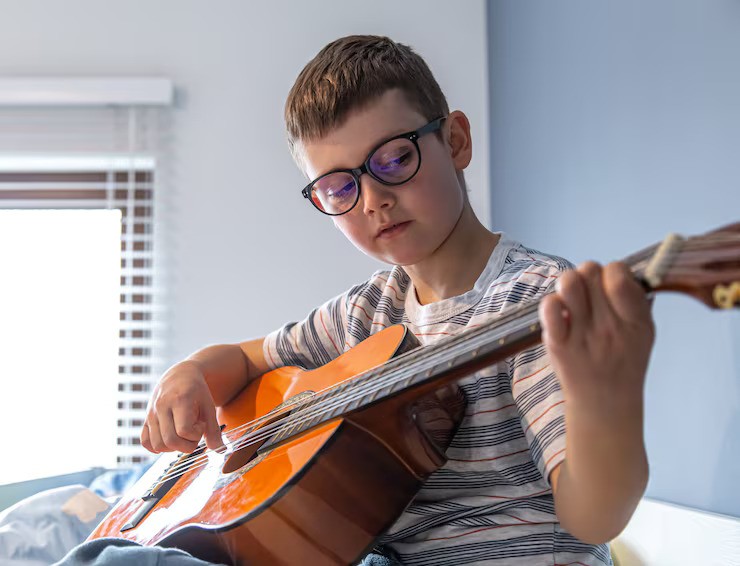
One of the biggest surprises for parents is that learning guitar isn't usually what causes kids to quit.
Practice is.
A child starts out excited. They pick up their guitar every chance they get, show off every new chord, and talk about the songs they want to learn. Then a few weeks later, practice starts feeling like a negotiation.
You remind them. They procrastinate. You remind them again. Eventually everyone gets frustrated.
If that sounds familiar, the problem probably isn't motivation, talent, or even guitar.
It's the routine.
The good news is that most kids don't need more discipline. They need a practice routine that feels achievable, rewarding, and easy to repeat.
Why Kids Get Bored With Guitar Practice
When parents say a child is bored with guitar, boredom is rarely the real problem.
More often, boredom is a signal.
Sometimes the material is too difficult and kids feel stuck. Sometimes it's too easy and they stop feeling challenged. And sometimes they simply can't see how today's exercise connects to something they actually care about.
Think about it from a child's perspective. Playing the opening riff of a favorite song feels exciting. Repeating the same exercise for ten minutes without understanding why often doesn't.
Kids are much more likely to stay engaged when they can connect practice to visible progress.
Consistency Matters More Than Long Practice Sessions
One of the most common mistakes families make is assuming practice needs to be long to be effective.
For beginners, consistency is usually far more important.
A child who practices for 10 to 15 minutes most days will often make more progress than a child who practices for an hour once a week.
Short sessions feel easier to start. They fit naturally into busy schedules. Most importantly, they help kids build momentum.
The goal isn't to create the perfect practice schedule.
The goal is to make picking up the guitar feel normal.
A Simple Practice Routine That Actually Works
Most beginners don't need a complicated plan.
A simple structure gives kids enough variety to stay engaged while still building skills over time.
A good practice session might look like this:
2 minutes: Warm up
Play a familiar exercise, review a few chords, or revisit something that already feels comfortable.
3 minutes: Learn one new skill
Focus on a single challenge. Maybe it's a chord change, a rhythm pattern, or a short section of a song.
5 minutes: Play music
Apply the new skill to an actual song or challenge. This is where practice starts to feel rewarding.
2 minutes: Finish with a win
End with something your child can do successfully. Confidence is one of the strongest predictors of whether they'll want to practice again tomorrow.
The exact timing isn't important.
The feeling is.
Practice should end with progress, not frustration.
Keep Practice Fresh Without Starting Over
Many parents assume boredom means it's time to switch songs.
Sometimes that's true. More often, kids need variety in how they practice rather than constantly changing what they're learning.
One simple approach is to rotate the focus throughout the week.
One day might focus on rhythm.
Another might focus on learning a new song.
Another might focus on mastering a chord transition that's been challenging.
The routine stays familiar, but the daily goal changes.
That combination of structure and novelty helps practice feel fresh without slowing progress.
Make Progress Visible
One reason kids lose motivation is that improvement can be difficult to see in the moment.
Parents can help by making progress more visible.
Celebrate small wins. Point out improvements your child may not notice themselves. Record a video every few weeks so they can hear how much they've improved.
What feels like a tiny breakthrough to an adult can feel huge to a beginner.
And those moments matter.
Confidence grows when kids can clearly see that their effort is paying off.
Reduce Friction Wherever Possible
The easier practice is to start, the more likely it is to happen.
Keep the guitar somewhere visible. Choose a consistent time of day. Remove as many decisions as possible.
Many families find success attaching practice to an existing routine, such as after homework, before dinner, or right after school.
The fewer obstacles between your child and their guitar, the less energy it takes to get started.
When Technology Can Help
One challenge many parents run into is becoming the person responsible for reminding, correcting, and motivating.
Over time, that can create tension around practice.
Interactive learning tools can help shift some of that responsibility away from parents by providing structure, feedback, and clear next steps.
The most effective platforms don't just teach guitar. They help kids understand what to practice, show them when they're improving, and create a sense of progress that keeps them engaged.
For beginners especially, that guidance can make practice feel less like a chore and more like an activity they choose to do themselves.
How Notey Helps Kids Build Consistent Practice Habits
At Notey, we believe consistency starts with confidence.
That's why Notey combines real guitar practice with interactive learning, immediate feedback, and song-based challenges that help beginners see progress early and often.
Instead of wondering what to practice next, kids always have a clear path forward. And instead of relying entirely on reminders from parents, they get encouragement and feedback built directly into the experience.
Because the best practice routine isn't the most ambitious one.
It's the one your child actually wants to come back to tomorrow.
The Goal Isn't Perfect Practice
Parents often feel pressure to help their child practice more.
In reality, the goal isn't perfection.
The goal is helping kids build a positive relationship with learning.
A short practice session that ends with a smile is far more valuable than a long practice session that ends in frustration.
When practice feels achievable, progress becomes visible. When progress becomes visible, confidence grows.
And that's usually when kids start picking up the guitar on their own.